

Table of Contents
- What Makes a Spice House Alternative Worth Considering
- Best Seasoning Brands for Home Chefs: Curated Selection
- Comparing Quality Metrics: Sourcing, Freshness, and Traceability
- How to Store Spices for Maximum Freshness and Potency
- Price-Per-Ounce Breakdown: Value Across Brands
- Sustainability and Supply Chain Transparency
- How to Choose the Right Alternative for Your Cooking Style
- Conclusion
Last Updated: August 20, 2026
What Makes a Spice House Alternative Worth Considering
The difference between a memorable meal and a forgettable one often comes down to the quality and freshness of your spices. Most home cooks reach for whatever's been sitting on the shelf longest, never questioning whether those spices still carry the flavor they promised. Understanding what makes a best spice house alternative truly valuable means looking beyond the jar's label.
The real distinction between ordinary seasonings and exceptional ones is about sourcing practices, harvest recency, proper storage, and thoughtful blend construction. A culinary-grade spice blend transforms everyday chicken into something memorable. A generic supermarket option doesn't.
At Goodness Gracious Seasoning Blends, we've built our approach around this principle: freshness matters, traceability matters, and flavor potency isn't negotiable. When evaluating best spice house alternatives, you're asking which brands understand that home cooks deserve the same quality as professional chefs, without the professional price tag.

The brands worth considering share several traits: they're transparent about sourcing, they understand that whole spices retain flavor longer than pre-ground options, they recognize that a blend is only as good as its freshest ingredient, and they acknowledge that quality shouldn't require a premium price.
Best Seasoning Brands for Home Chefs: Curated Selection
Finding the right best spice house alternatives means understanding which brands have earned their reputation through consistency and quality. The brands covered here represent different approaches to delivering flavor that elevates everyday cooking.
Goodness Gracious Seasoning Blends: Artfully Crafted Blends
Goodness Gracious Seasoning Blends treats seasoning blends as a craft, not a commodity. Each blend is thoughtfully constructed with specific culinary applications in mind, not as a generic "all-purpose" option that tries to do everything and does nothing particularly well.
The signature approach is bold, intentional flavor combinations. The FriedRoastedBaked blend ($16.99 for 16oz) works across fish, chicken, beef, pork, and vegetables, but it's specifically calibrated for those applications. The Everything Egg Blend ($16.99) recognizes that eggs deserve their own dedicated seasoning profile. Better Bacon Blend ($16.99) transforms bacon from good to unforgettable.

What makes these different is the packaging philosophy designed to preserve volatile oils and aromatic profiles, sourcing with attention to harvest dates, and access to the Goodness Gracious Flavor Secrets E-Cookbook ($9.99 downloadable), which includes over 40 recipes specifically designed to showcase how to use each blend properly.
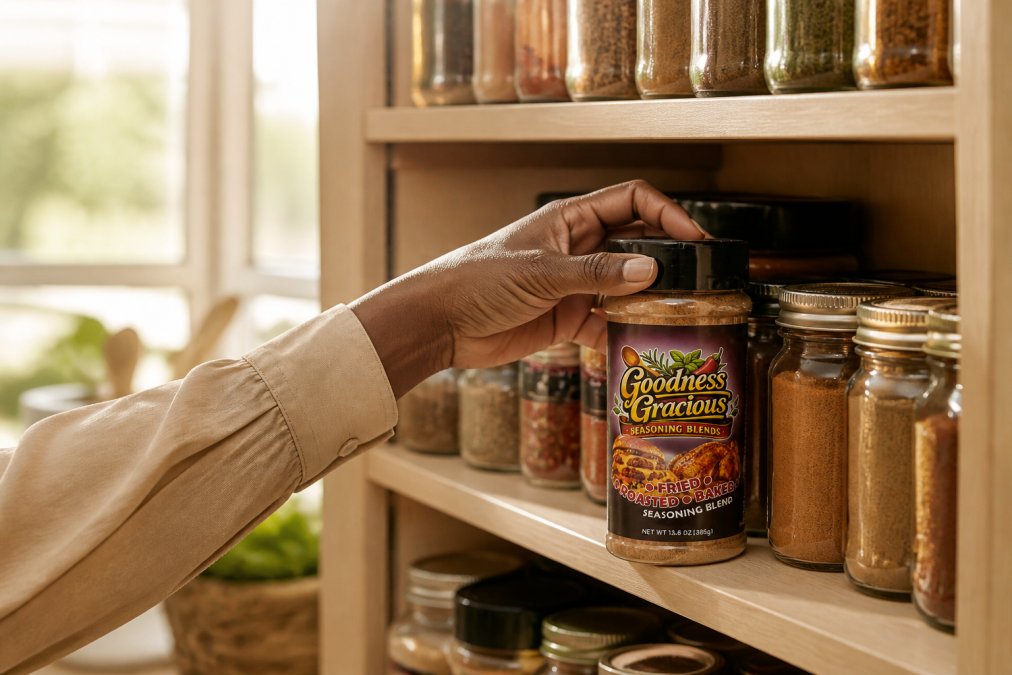
This is the right choice if you want blends pre-formulated for specific cooking styles rather than generic catch-alls. You're paying for intentional flavor design and the confidence that comes from knowing exactly how to use what you've purchased.
Small-Batch Direct-Trade Options
Small-batch spice suppliers focus on limited quantities sourced directly from growers, often with documented supply chain transparency. These brands emphasize single-origin spices or small-batch blends where the ingredient story matters as much as the flavor itself.
The advantage is traceability: you know which farm your cumin came from and the harvest date. The trade-off is consistency, small-batch operations sometimes experience slight variations between batches. Pricing also tends to be higher because of the direct-trade model and labor intensity of small-batch production.
Organic and Ethically Sourced Alternatives
Organic certification means spices were grown without synthetic pesticides or fertilizers. Ethically sourced means growers were paid fairly and working conditions met specific standards. These certifications matter if they align with your values, but they don't automatically mean better flavor.
A common mistake is assuming organic automatically equals fresher or more flavorful. An organic spice sitting in a warehouse for two years will taste worse than a conventionally grown spice harvested recently. Organic certification guarantees how the spice was produced, not how long ago or how well it's been stored.
Ethically sourced alternatives often come with higher price points because fair-trade supply chains cost more to maintain. If this matters to your purchasing decisions, it's worth the investment.
Comparing Quality Metrics: Sourcing, Freshness, and Traceability
The difference between a spice that delivers and one that disappoints comes down to three measurable factors: where it came from, how recently it was harvested, and whether you can verify both claims.
Sourcing tells you whether the spice was grown in conditions that matter to you. Direct-trade sourcing means the brand worked directly with growers. Single-origin means it came from one specific region. Blended sourcing means the brand combined spices from multiple regions for consistency. None is inherently better, they're different approaches with different trade-offs.
Freshness is where most alternatives fail. Many brands don't print harvest dates on packaging. Reputable alternatives will either print the harvest date directly or provide it upon request. Whole spices retain freshness longer than ground spices because grinding exposes more surface area to oxygen, which degrades volatile oils.
Traceability means you can follow the spice from grower to your kitchen. Brands that embrace traceability typically document it on their website or packaging. If you can't find this information, it's usually not there.
| Quality Metric | What It Means | Why It Matters |
|---|---|---|
| Harvest Date | When the spice was picked | Fresher = stronger flavor and more volatile oils |
| Single-Origin vs. Blended | One region vs. multiple regions | Single-origin offers unique profiles; blended offers consistency |
| Whole vs. Ground | Unground vs. pre-ground | Whole spices stay fresh 2-3x longer than ground |
| Traceability Documentation | Can you verify where it came from | Verifiable sourcing = quality assurance |
| Organic/Fair-Trade Certification | Production standards met | Matters for values alignment, not necessarily flavor |
How to Store Spices for Maximum Freshness and Potency
Once you've invested in quality spices, how you store them determines whether they maintain their flavor or fade within weeks. The enemies of spice freshness are heat, light, moisture, and oxygen.
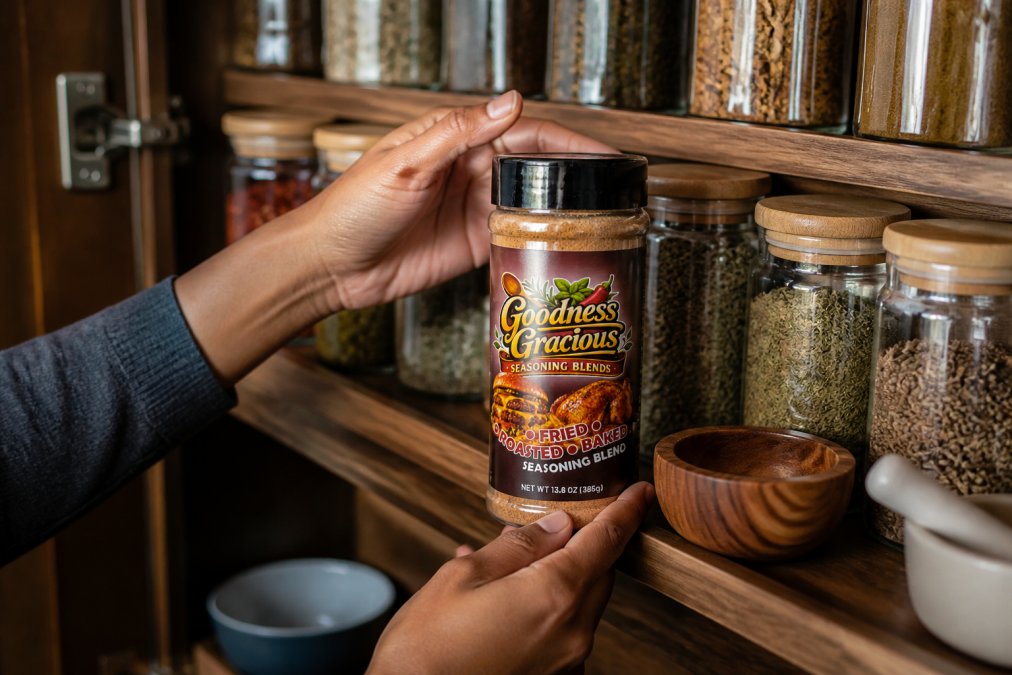
The worst place to store spices is above the stove, where heat from cooking breaks down volatile oils and light exposure degrades flavor compounds. The best storage location is a cool, dark, dry place, a pantry shelf away from appliances or a kitchen cabinet away from windows. Temperature should stay relatively consistent, ideally between 50-70°F.
Glass containers with airtight seals preserve flavor longer than plastic or paper. Opaque containers protect better than clear glass because light can't penetrate. Label everything with the spice name and transfer date to help you rotate stock.
Whole spices stored properly in airtight containers maintain peak flavor for 6-12 months. Ground spices degrade faster, expect 3-6 months at peak potency. Blended spices fall somewhere between, depending on their ingredients. Don't refrigerate or freeze spices, temperature fluctuations introduce moisture, which degrades freshness. Room-temperature storage in a stable, cool, dark location outperforms cold storage.
Price-Per-Ounce Breakdown: Value Across Brands
Understanding price-per-ounce helps you compare fairly across different package sizes and brands. A blend that costs more per ounce might deliver better value if it's fresher or more potent, meaning you use less per dish.
Goodness Gracious Seasoning Blends offers 16oz packages at $16.99, approximately $1.06 per ounce. This positions them in the premium range, but the value proposition is about getting blends formulated for specific applications rather than generic catch-alls. You're paying for intentional flavor design and the confidence that comes from knowing how to use what you've purchased.
Small-batch direct-trade options typically range from $1.50-$3.00 per ounce. Organic and ethically sourced alternatives usually fall in the $1.25-$2.50 per ounce range. Generic supermarket spices often appear cheaper at $0.30-$0.80 per ounce, but this comparison is misleading. If those spices are six months old and stored improperly, they've lost significant potency. A fresher, more potent blend at $1.06 per ounce often delivers better value than a stale option at half the price.
The real question isn't "which is cheapest" but "which delivers the flavor impact I want at a price I'm willing to pay."
Sustainability and Supply Chain Transparency
The spice industry has a transparency problem. Most brands don't disclose where their spices come from, how they're grown, or what environmental practices are used. If sustainability matters to your purchasing decisions, seek out brands that document their practices.
Direct-trade sourcing typically means better environmental practices because the brand has direct relationships with growers and can verify their methods. Single-origin spices offer more transparency than blended spices. Organic certification guarantees pesticide-free production, though it doesn't address broader sustainability questions like water usage or carbon footprint.
Ask brands directly about their sustainability practices. Reputable brands will provide detailed answers. The carbon footprint of spices varies dramatically based on origin and shipping method. Spices shipped by air have a larger footprint than those shipped by sea. Packaging sustainability matters too, glass containers are recyclable and reusable, plastic is recyclable but less durable, and paper is compostable but offers less protection for freshness.
How to Choose the Right Alternative for Your Cooking Style
The best best spice house alternative for your kitchen depends on how you actually cook. Start by honestly assessing your cooking patterns. What cuisines do you cook most often? What flavor profiles appeal to you? Do you prefer bold, complex spice blends or simpler single-spice seasonings?
If you cook across multiple cuisines and like flexibility, you want a brand offering diverse blends. If you specialize in one or two cooking styles, you want blends specifically calibrated for those applications. Goodness Gracious Seasoning Blends works well for cooks who want pre-formulated blends designed for specific dishes, you're not guessing how to use them because they come with recipes and clear applications.
Consider your tolerance for experimentation. Small-batch direct-trade options appeal to cooks who view sourcing and ingredient discovery as part of the cooking ritual. Organic and ethically sourced alternatives appeal to cooks whose values alignment matters as much as flavor. Your storage situation also matters, if you have limited pantry space, you might prefer concentrated blends you use in small quantities.
The final consideration is whether you want guidance on how to use what you buy. Goodness Gracious Seasoning Blends addresses this by including the downloadable Flavor Secrets E-Cookbook with over 40 recipes, which removes the guesswork from how to use each blend.
Choosing the right best spice house alternatives for your kitchen comes down to matching your actual cooking style with a brand that supports it. The best alternative is the one that makes you cook better and enjoy the process more. Goodness Gracious Seasoning Blends delivers this by combining thoughtfully sourced ingredients with intentional blend design and recipe guidance. Start with the FriedRoastedBaked blend ($16.99) if you want an all-purpose option that actually works across multiple proteins, or grab the downloadable Flavor Secrets E-Cookbook ($9.99) to explore how to use multiple blends in your existing recipes.
Frequently Asked Questions
What makes the best spice house alternatives different from grocery store spices?
Premium spice house alternatives prioritize harvest dates, volatile oils retention, and direct-trade sourcing that grocery store spices often lack. These brands focus on culinary-grade ingredients with documented traceability and supply chain transparency. Most maintain strict freshness guarantees and offer single-origin or small-batch options that deliver superior flavor potency compared to mass-produced alternatives.
How do I know if a seasoning brand is truly ethically sourced?
Look for brands that publish supply chain transparency reports, hold organic certifications, and specify harvest dates on packaging. The best seasoning brands for home chefs often highlight direct relationships with growers and provide information about farming practices. Verify third-party certifications like Fair Trade or organic labels, and check if the brand shares details about their sourcing standards and traceability protocols.
What's the best way to store spices for maximum freshness?
Store spices in airtight containers away from heat, light, and moisture. A cool, dark pantry shelf or cabinet is ideal; avoid areas near the stove or above appliances. Keep whole spices separate from ground varieties, as whole spices maintain flavor potency longer. Organize by culinary application to encourage regular rotation. Label containers with purchase or harvest dates to track freshness and replace spices every 6-12 months depending on storage conditions.
How do specialty spice blends compare to buying individual spices?
Artfully crafted spice blends save time and ensure balanced flavor profiles that home cooks might struggle to achieve alone. Pre-blended options like those from Goodness Gracious Seasoning Blends ($16.99 per 16oz blend) eliminate guesswork and provide consistent results across multiple dishes. Individual spices offer more flexibility but require culinary experimentation and storage of numerous jars. Blends are particularly valuable for busy professionals seeking gourmet flavors without complexity.
This article was written using GrandRanker