

Table of Contents
- What Is a Dry Rub and Why It Matters
- Prepare Your Meat: Pat Dry and Ready
- Dry Rub Application Techniques That Work
- How Long to Leave Dry Rub on Meat
- Seasoning Ratios and Flavor Profiles
- Common Dry Rub Mistakes to Avoid
- Best Meats and Cooking Methods for Dry Rubs
- Conclusion
Last Updated: August 27, 2026
What Is a Dry Rub and Why It Matters
A dry rub is a blend of dried herbs and spices applied directly to meat before cooking. Unlike marinades, dry rubs create a flavorful crust through osmosis and direct heat, forming what pit masters call "bark", that deeply flavored exterior that makes grilled and smoked meats unforgettable.
At Goodness Gracious Seasoning Blends, home cooks transform ordinary meals into restaurant-quality dishes by mastering dry rub fundamentals. The real power lies in simplicity and versatility: a single blend works across beef, pork, poultry, lamb, and vegetables with no marinating time required.
Prepare Your Meat: Pat Dry and Ready
Before any dry rub touches your meat, surface moisture must go. This is the single most critical step separating good results from exceptional ones. Wet meat prevents the spice blend from adhering properly and creates steam during cooking, which inhibits bark formation.
Pat your meat thoroughly with paper towels until completely dry, working from the center outward and paying special attention to crevices. Some cooks let meat sit uncovered in the refrigerator for 30 minutes to an hour after patting to air-dry further and allow seasoning to penetrate more effectively.
Room-temperature meat absorbs seasoning more effectively than cold meat. Consider removing your meat 30 to 45 minutes before applying the rub to allow the surface to warm and the spices to adhere more firmly.
Dry Rub Application Techniques That Work
How you apply a dry rub matters as much as what's in it. The goal is even coverage without clumping and firm contact between the spice blend and the meat's surface.
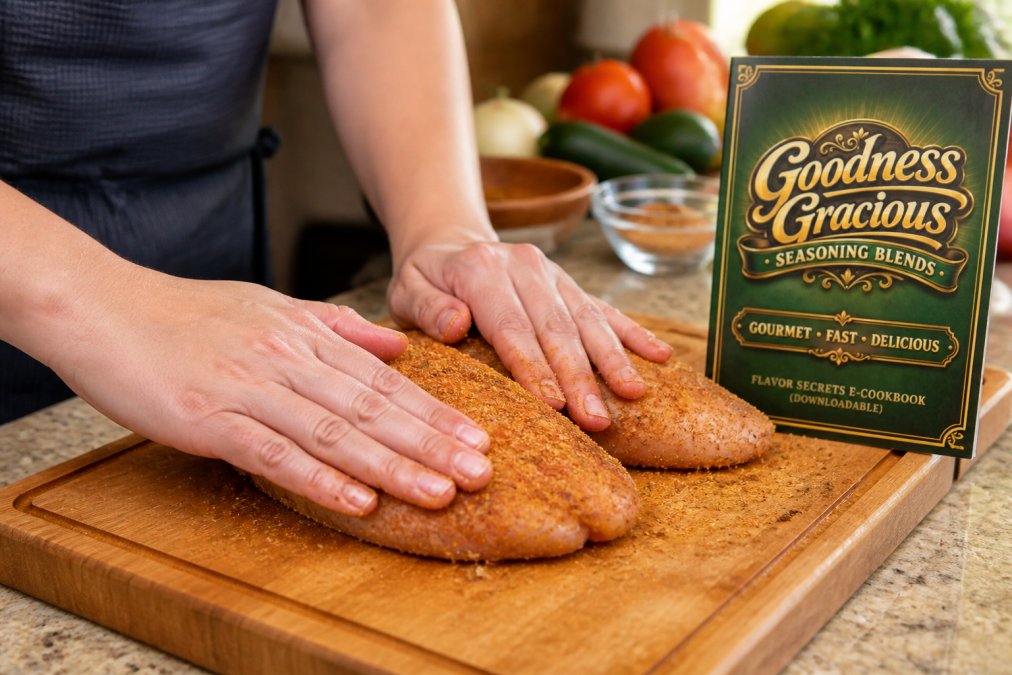
The massage method is most effective for most home cooks. Sprinkle the dry rub directly onto the meat, then use your fingertips and palms to massage the blend into every surface with firm, circular pressure. This physical contact helps the blend adhere through both pressure and moisture from your hands. The technique works especially well for poultry, pork chops, and beef steaks.
For whole birds or large roasts, use one hand to hold the meat steady while the other applies the rub with deliberate, massaging motions. Pay special attention to thicker portions and edges where spices tend to accumulate unevenly.
For ground meat applications, mix the dry rub directly into the rub into the meat before forming patties, using a light hand to avoid overworking the mixture.
How Long to Leave Dry Rub on Meat
Timing transforms a dry rub from surface seasoning into deeply integrated flavor. Salt penetrates through osmosis, carrying other flavor compounds with it.
For quick cooking like grilling thin steaks or chicken breasts, apply the rub 15 to 30 minutes before cooking (usda.gov). For medium-sized cuts like pork chops, chicken thighs, or beef roasts, apply the rub 1 to 4 hours before cooking. For large cuts destined for slow cooking or smoking, brisket, pork shoulder, whole chickens, apply the rub the night before. Extended time allows salt to penetrate deeply, seasoning throughout rather than just the surface.
Avoid applying a dry rub more than 24 hours in advance, as the meat's surface can become discolored from salt's drying effect.
Seasoning Ratios and Flavor Profiles
Most successful dry rubs follow a basic ratio structure ensuring harmony. Start with salt as your base, about 1 tablespoon of salt per 2 tablespoons of other seasonings. Kosher salt works better than table salt because its larger crystals distribute evenly and dissolve gradually (the FDA).
A classic savory profile combines black pepper (1 tablespoon), paprika (1 tablespoon), garlic powder (1 teaspoon), and onion powder (1 teaspoon) per 1 tablespoon of salt. This balanced blend works across beef, pork, and poultry.
For spicy profiles, increase black pepper and add cayenne or chili powder. A ratio of 1 tablespoon salt, 1 tablespoon paprika, 1 tablespoon chili powder, and 1 teaspoon cayenne creates bold heat ideal for pork ribs and beef brisket.
Sweet profiles balance sugar with spices for caramelization. Use brown sugar or turbinado sugar in small amounts, about 1 teaspoon per tablespoon of salt, paired with cinnamon, allspice, or nutmeg. This approach shines on ham, pork shoulder, and chicken.
Goodness Gracious Seasoning Blends' FriedRoastedBaked blend exemplifies this balance, a savory combination designed to work across multiple proteins without requiring adjustment.

Fresh herbs enhance any dry rub but require different handling. Dried herbs are more concentrated and stable for advance application. Fresh herbs like thyme, rosemary, or cilantro are best added closer to cooking time as they lose potency quickly.
Common Dry Rub Mistakes to Avoid
Applying rub to wet meat remains the most frequent mistake. Always pat your meat completely dry first.
Over-applying the rub creates another common problem. More spice doesn't equal better flavor; it creates a bitter, overwhelming coating. Use a light hand so the meat's color shows through the spice layer.
Burning the spices through improper heat management happens frequently. Sugar caramelizes around 320 degrees Fahrenheit and burns shortly after (peer-reviewed research). For sweet rubs, consider starting over indirect heat, then finishing over direct heat for the last few minutes.
Inconsistent coverage leads to uneven flavor development. Take time to massage the rub into every surface, including edges and crevices.
Applying the rub immediately before cooking defeats the osmotic process. Salt needs time to penetrate. Even 15 to 30 minutes makes a noticeable difference.
Using old spices diminishes results significantly. Replace paprika, chili powder, and other dried herbs and spices every few years for vibrant flavor.
Best Meats and Cooking Methods for Dry Rubs
Different meats respond to dry rubs in different ways. Understanding these pairings helps you choose the right technique for your ingredient.
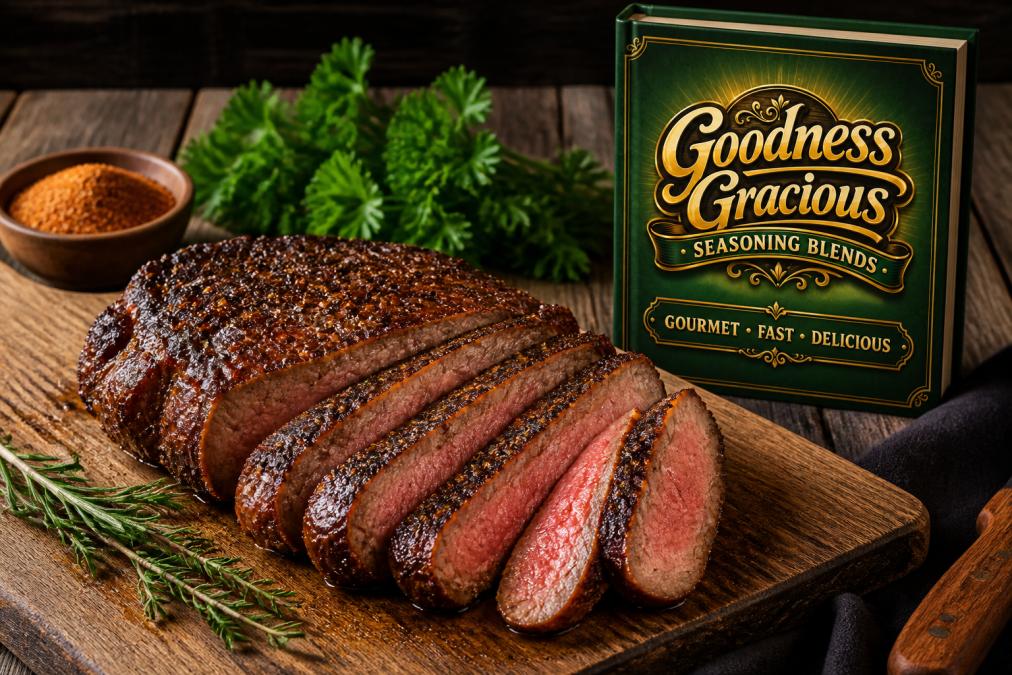
Beef responds beautifully to dry rubs across multiple cuts. Steaks benefit from bold, savory blends applied 40 minutes to 2 hours before grilling. Brisket and chuck roasts benefit from 12 to 24 hours of application since these tougher cuts benefit from deep seasoning penetration and slow cooking.
Pork is perhaps the most forgiving meat for dry rub experimentation. Pork chops, ribs, and shoulder all develop excellent crusts. Ribs are particularly suited to dry rubs since smoking or low-and-slow grilling allows spices to develop into complex, layered flavors. Apply rubs to ribs 2 to 4 hours before cooking, or overnight for competition-level results.
Poultry benefits from slightly gentler spice blends. Whole chickens develop excellent bark when rubbed the night before and roasted. Chicken breasts and thighs cook quickly, so apply the rub 30 minutes to 1 hour before cooking to prevent burning.
Lamb takes well to Mediterranean and Middle Eastern spice profiles. Cumin, coriander, and cinnamon complement lamb's distinctive flavor. Lamb chops need 30 to 45 minutes of rub application before grilling, while larger cuts benefit from 4 to 8 hours.
Smoking showcases dry rubs most dramatically. The low temperature and long cooking time allow spices to develop into complex flavors and create prized bark. Apply the rub the night before smoking for maximum flavor development.
Grilling over direct heat works best with thinner cuts and shorter application times. The high heat creates excellent crust formation quickly but risks burning sweet or heavily spiced rubs.
Roasting in the oven is underrated for dry rub applications. Whole chickens, pork roasts, and beef roasts develop beautiful, flavorful crusts. The controlled heat prevents burning, and longer cooking time allows flavor development.
The Goodness Gracious Seasoning Blends FriedRoastedBaked blend works across all these meats and methods, its balanced savory profile adapts without requiring modification.
Mastering dry rubs transforms your cooking from competent to memorable. Pat meat dry, apply your blend with intention, time it to your cooking method, and let the osmotic process work its magic. The results speak for themselves: deeply flavored meat with a caramelized crust that tastes like it came from a professional kitchen.
Goodness Gracious Seasoning Blends makes this process easier with thoughtfully crafted blends that eliminate guesswork about ratio balancing. Pair one of our blends, like FriedRoastedBaked for savory applications or Better Bacon Blend for breakfast proteins, with the techniques in this guide, and you'll create memorable meals. Download our Flavor Secrets E-Cookbook for over 40 tested recipes showing exactly how to apply these blends across different meats and cooking methods.


| Meat Type | Ideal Rub Timing | Best Cooking Method | Flavor Profile |
|---|---|---|---|
| Beef Steak | 40 minutes-2 hours | Grilling (direct heat) | Bold, savory |
| Beef Brisket | 12-24 hours | Smoking or slow roasting | Complex, layered |
| Pork Ribs | 2-4 hours (or overnight) | Smoking | Sweet, smoky, savory |
| Pork Shoulder | 12-24 hours | Smoking or low-and-slow roasting | Deep, rich, complex |
| Chicken (whole) | 12-24 hours | Roasting or smoking | Balanced savory |
| Chicken (breasts/thighs) | 30-60 minutes | Grilling or roasting | Gentle, balanced |
| Lamb Chops | 30-45 minutes | Grilling | Mediterranean or Middle Eastern |
| Lamb Shoulder | 4-8 hours | Roasting or smoking | Warm spices, complex |
| Common Mistake | Why It Happens | The Fix | Impact |
|---|---|---|---|
| Wet meat repels rub | Skipping the pat-dry step | Always pat meat completely dry before applying | Rub adheres properly, crust forms evenly |
| Over-application | Thinking more spice = better flavor | Use a light hand; meat should show through | Balanced flavor, no bitterness |
| Burnt spices | High heat + sugar in rub | Use indirect heat for sweet blends, or finish over direct heat | Caramelized crust, not charred |
| Uneven coverage | Rushing the application | Massage the rub into every surface deliberately | Consistent flavor in every bite |
| Weak flavor | Applying rub too close to cooking | Apply 15 minutes to 24 hours before, depending on cut | Deep flavor penetration |
Frequently Asked Questions
What are some common mistakes when using dry rub?
The biggest mistakes are applying rub to wet meat (moisture prevents adhesion), using too much salt (which draws out moisture and can make meat tough), not letting the rub sit long enough before cooking, and burning spices by using direct heat that's too high. Also avoid grinding spices too fine, which creates a paste rather than a dry coating. Start with less rub than you think you need and adjust based on results.
How long should you leave a dry rub on meat before cooking?
For best flavor penetration, apply the rub 12 to 24 hours before cooking and refrigerate. The spices need time to bond with the meat through osmosis. For quick meals, a minimum of 30 minutes at room temperature works, but overnight refrigeration produces noticeably better results. Remove the meat from the refrigerator 30 minutes before cooking to bring it closer to room temperature for even cooking.
Should you pat meat dry before applying a rub?
Yes, absolutely. Pat the meat completely dry with paper towels before applying any dry rub. Surface moisture prevents the spices from adhering properly and creates steam during cooking instead of the desired crust formation. Dry meat allows the rub's flavors to penetrate more effectively and helps develop that flavorful bark that makes grilled and smoked meats memorable.
Can you use dry rubs on vegetables?
Yes. Dry rubs work beautifully on vegetables like bell peppers, zucchini, asparagus, and root vegetables. Toss vegetables lightly with oil first (this replaces the meat's natural moisture), then apply your dry rub. Grill or roast them using indirect heat to prevent burning. Vegetables cook faster than meat, so reduce cooking time and watch carefully to avoid charring the spices.
This article was written using GrandRanker