

Table of Contents
- Understanding Spice Categories and Flavor Profiles
- The Science of Flavor Pairing and Spice Blending
- How to Season Food Like a Chef: Timing and Technique
- Best Spice Combinations for Beginners
- Step-by-Step Process for Combining Spices
- Troubleshooting Over-Seasoned Dishes
- Storing Your Spice Blends for Maximum Freshness
- Conclusion
Last Updated: August 26, 2026
Understanding Spice Categories and Flavor Profiles
Building a spice blend is like composing music: you need a foundation, supporting notes, and a flourish that catches attention. Understanding what each spice brings to your dish separates intentional seasoning from guessing.
Base, Supporting, and Accent Spices
Base spices form your flavor foundation, bold, present, and recognizable. Cumin, paprika, and black pepper are common choices. They carry the identity of your blend and make up roughly 40-50% by volume.
Supporting spices add depth without overpowering. Coriander with cumin or garlic powder with paprika enhance the base flavor, creating nuance. They typically comprise 30-40% of your blend.
Accent spices are the finishing touch, a pinch of cayenne, whisper of cinnamon, or touch of clove transforms a dish. Use them sparingly at 10-20% of your blend. This 40-50% base, 30-40% supporting, 10-20% accent ratio keeps flavors balanced and prevents any single note from drowning out the others.
Aromatic Spices vs. Pungent Spices
Aromatic spices like cardamom, cinnamon, coriander seeds, and cumin release fragrance when heated. Their essential oils deliver flavor through your nose as much as your mouth, creating warm, inviting, complex notes.
Pungent spices like black pepper, cayenne, ginger, and horseradish hit your palate directly with sharp, bold flavor and lingering bite. A balanced blend combines both: aromatics draw people in; pungent spices keep them interested. All aromatic feels soft and one-dimensional; all pungent becomes aggressive and exhausting.
The Science of Flavor Pairing and Spice Blending
When spices are heated, their essential oils become more volatile and aromatic. These oils contain flavor compounds that interact with your taste buds and olfactory receptors. Spices sharing similar flavor compounds pair naturally, cumin and coriander both contain warm, slightly sweet notes. Cinnamon and clove share spicy-sweet characteristics, which is why they appear together in traditional blends.
Regional flavor profiles developed over centuries because people discovered which local spices and combinations their palates preferred. Indian cuisine emphasizes warm aromatics like cumin, coriander, and turmeric. Mexican cuisine builds on cumin, chili, and oregano. Middle Eastern cooking emphasizes cinnamon, sumac, and cumin. Understanding these patterns lets you predict which spices work in new combinations and make deliberate choices rather than mistakes.
How to Season Food Like a Chef: Timing and Technique
Knowing which spices to use is half the battle; knowing when and how to add them is the other half. The same spice blend applied at different times using different methods tastes completely different.
When to Add Spices to Food During Cooking
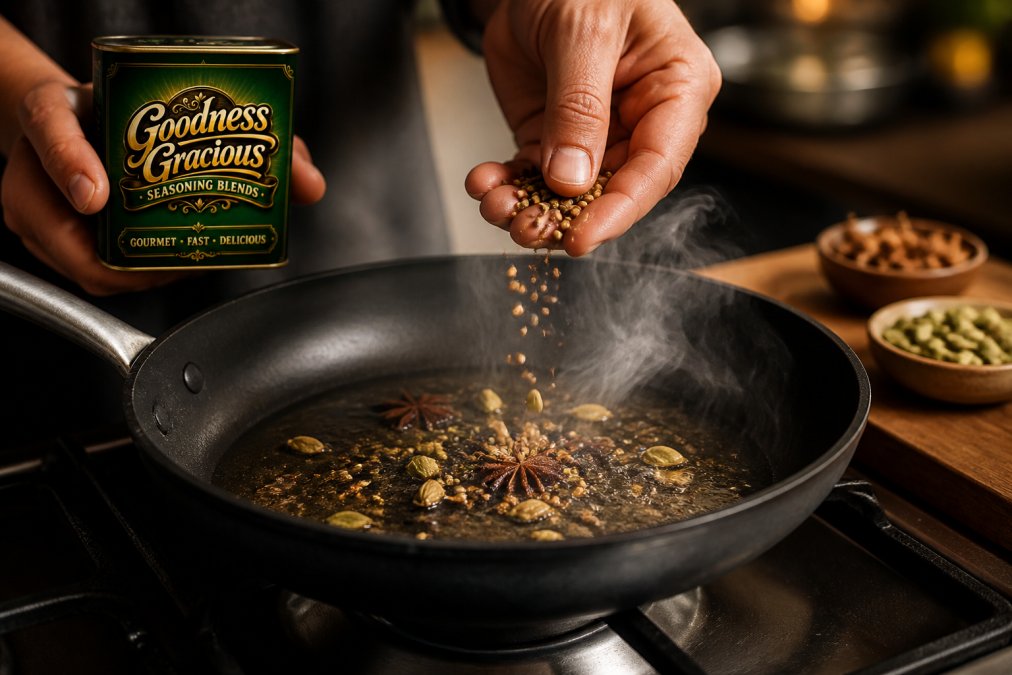
Whole spices benefit from heat activation. Add them early to hot oil or a hot pan for 30-60 seconds to release essential oils and deepen flavor (peer-reviewed research). This blooming technique works when the spices become fragrant; add them too late and the flavor stays muted.
Ground spices are more delicate and burn faster. Add them mid-cooking, after building base flavors but before the final minutes. This distributes them without scorching. Adding them at the very end tastes raw and harsh.
Delicate spices like cinnamon, clove, or nutmeg should go in during the final third of cooking or after heat is off. Extended cooking makes them bitter. A pinch of cinnamon stirred into finished sauce tastes warm; the same amount cooked for 20 minutes tastes harsh and burnt.
Hardy herbs like rosemary or thyme handle extended cooking; add them early. Delicate herbs like cilantro or parsley go in at the end to preserve brightness.
Dry Roasting, Blooming, and Heat Activation
Dry roasting heats whole spices in a dry pan without oil until fragrant, concentrating flavors and adding subtle toasted notes. Roast for 2-3 minutes over medium heat, stirring constantly, then transfer to a plate immediately (usda.gov). Roasting too long turns spices bitter.
Blooming adds spices to hot oil or fat for 30-60 seconds before adding other ingredients. The fat carries essential oils throughout the dish, requiring less spice quantity than dry additions.
Heat activation is the broader principle: spices release more flavor when heated. Medium heat is usually ideal for blooming; high heat scorches quickly, low heat doesn't release enough aroma.
Best Spice Combinations for Beginners
You don't need a massive spice collection to create complex flavors. A few well-chosen combinations cover most cooking needs.
Proven Ratios for Balanced Flavor
When combining spices, proportions matter:
- For savory blends: 2 parts base spice (cumin, paprika, or coriander), 1 part supporting spice (garlic powder, onion powder, or oregano), 0.5 parts accent spice (cayenne, black pepper, or smoked paprika)
- For warm spice blends: 1 part cinnamon, 0.5 parts clove, 0.5 parts nutmeg, 0.25 parts ginger
- For bright, citrusy blends: 1 part coriander, 0.5 parts cumin, 0.5 parts turmeric, 0.25 parts ginger
These ratios prevent any single flavor from dominating. Use consistent units throughout, teaspoons, tablespoons, or grams, to keep ratios true.
Regional Flavor Profiles and Culinary Traditions
Indian spice blends combine warm aromatics. A basic garam masala uses cinnamon, clove, cardamom, and cumin, creating cohesive warmth.
Mexican spice blends build on cumin, chili, and oregano. Cumin provides earthiness, chili adds heat and complexity, and oregano brings herbal brightness. This trio works in tacos, beans, rice, and marinades.
Middle Eastern spice blends emphasize warm spices with bright, tangy notes. Sumac provides tartness without acidity, cinnamon adds warmth, and cumin grounds the blend. Dukkah combines hazelnuts or sesame with cumin, coriander, and chili.
Mediterranean blends are lighter and herbaceous. Oregano, thyme, rosemary, and marjoram create fresh, earthy foundations ideal for seafood and lighter poultry.
Step-by-Step Process for Combining Spices
Step 1: Select Your Base Spice
Your base spice is the anchor, the flavor people recognize first. Choose one spice representing your overall direction. Cumin or coriander for warm and earthy; smoked paprika for smoky; chili powder or cayenne for heat. Your base spice should comprise 40-50% of your final blend.
Step 2: Add Supporting Spices
Choose 1-2 spices complementing your base. If your base is cumin, coriander works excellently. If your base is paprika, garlic powder or onion powder adds savory depth. Add supporting spices at roughly half the quantity of your base spice, tasting as you go.
Step 3: Incorporate Accent Spices
Accent spices make a blend memorable. A pinch of cayenne in savory blends adds intrigue; cinnamon in chili adds warmth. Use sparingly at about 0.25 times your base spice quantity. Add one at a time, tasting between additions, it's easy to add more but impossible to remove.
Step 4: Test and Adjust for Balance
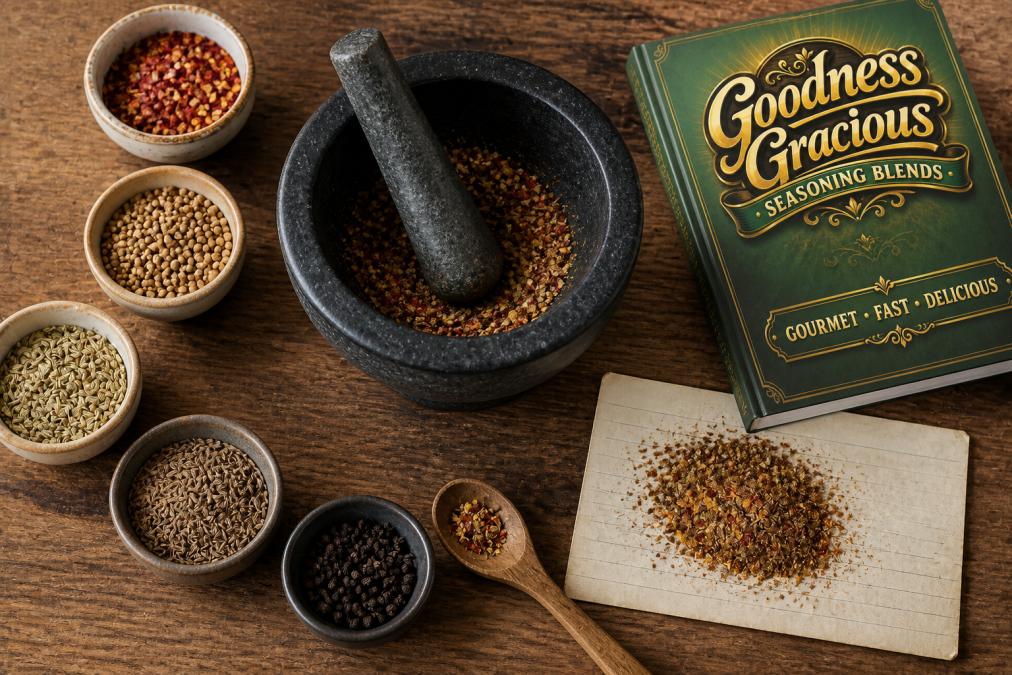
Test your blend by adding a small amount to plain yogurt, rice, or broth. Ask: Is the base spice clear and recognizable? Can you taste supporting spices adding depth? Do accent spices add interest without overwhelming? If yes to all three, you've got balance. If flat, add more accent spices. If harsh or one-dimensional, add more supporting spices. If muddled, you've added too many components.
Troubleshooting Over-Seasoned Dishes
If you've over-spiced a dish, dilution is most effective. Add more base ingredient without additional spices. For soup, add more broth; for grains, add more cooked grain.
Fat can mellow harsh spice flavors. A spoonful of sour cream, yogurt, or butter reduces intensity on your palate. Acidity also balances intense spices, lemon juice, vinegar, or tomato sauce brightens flat or burnt flavors.
If your dish is too salty, dilution is your only option. Prevention is easier: add spices gradually, taste frequently, and remember you can always add more but can't remove it.
Storing Your Spice Blends for Maximum Freshness
Store spice blends in airtight containers away from light, heat, and moisture. A cool, dark cabinet works better than above the stove or near windows. Glass jars with tight-fitting lids are ideal. Label blends with the date and ingredients.
Spice blends stay fresh about 6 months if stored properly; whole spices last up to a year (the FDA). Keep blends away from the spice rack above your stove, a drawer in a cool cabinet or pantry shelf is much better.
Goodness Gracious Seasoning Blends are thoughtfully sourced and packaged to maintain aromatic quality. The Flavor Secrets E-Cookbook includes storage tips and recipes showing exactly how to use each blend. The cookbook provides over 40 recipes eliminating guesswork about proper application and timing.

Combining spices for flavor is a learnable skill. You don't need expensive equipment or rare ingredients, just understanding how spices interact, when to add them, and how to balance them. Start with simple combinations, taste as you go, and adjust based on what you learn. With Goodness Gracious Seasoning Blends, you have access to expertly crafted combinations eliminating guesswork. Download the Flavor Secrets E-Cookbook to see exactly how to use these blends, transforming everyday meals into memorable occasions.
Frequently Asked Questions
Q: What are the fundamental rules for pairing spices when you combine spices for flavor?
A: Start with a dominant base spice that defines your blend, add 1-2 supporting spices that complement it, then finish with a small accent spice for complexity. Balance heat, sweetness, and savory notes so no single flavor overwhelms the others. Taste as you blend to ensure harmony.
Q: When should you add spices to food during cooking for the best flavor?
A: Whole spices and aromatic spices benefit from blooming in hot oil or fat at the start of cooking, which activates their essential oils and intensifies flavor. Ground spices work best added mid-cooking so they don't burn. For delicate herbs and finishing touches, add them in the final minutes. Cold dishes like marinades or dressings can have spices added directly without heat activation.
Q: What spice combinations should beginners avoid mixing together?
A: Avoid combining too many pungent spices like cloves, nutmeg, and black pepper in high quantities, as they can overpower a dish. Don't mix competing flavor profiles, for example, sweet cinnamon with aggressive cayenne without a balancing element. Steer clear of combining spices with conflicting regional traditions unless you're intentionally creating fusion flavors. Start with complementary pairs like cumin and coriander before experimenting with bold combinations.
Q: How does the grinding method affect how spices combine for flavor?
A: Freshly ground whole spices release more essential oils and deliver stronger, more vibrant flavor than pre-ground versions. Grinding spices just before blending preserves their aromatic compounds and allows better flavor integration. A mortar and pestle gives you control over texture and coarseness, affecting how spices distribute in your blend. Pre-ground spices lose potency over time, so grind your own for superior flavor pairing results.
This article was written using GrandRanker