

Table of Contents
- Why Home Cooks Seek Spiceology Alternatives
- Best Seasoning Brands for Home Chefs
- Clean Label Seasoning Companies Worth Exploring
- Unique Seasoning Blends for Grilling and Roasting
- Flavor Profile Mapping: Finding Your Perfect Blend
- Price-to-Quality Comparison and Value
- Conclusion: Elevating Your Culinary Ritual
Last Updated: August 28, 2026
Why Home Cooks Seek Spiceology Alternatives
The biggest mistake home cooks make is treating their spice cabinet like a museum. Jars sit untouched for months. Flavors fade. Meals taste predictable.
This is exactly why so many home chefs are exploring spiceology alternatives for flavor variety. It's not that these cooks lack ambition, they're looking for a shortcut to complexity. Pre-blended seasoning combinations promise to deliver restaurant-quality depth without hours of experimentation or a chemistry degree in flavor layering.
At Goodness Gracious Seasoning Blends, we understand this tension. You want bold, memorable meals. You don't want to spend your entire evening researching which spices complement each other or hunting down obscure ingredients. The right spiceology alternative eliminates that friction. It turns cooking from a chore into a ritual, one where flavor becomes the star of every plate.
Home cooks who seek spiceology alternatives typically fall into one of three camps: those with well-stocked spice cabinets who want curated direction, those tired of buying individual spices that go stale, and those who simply want to elevate everyday proteins without reinventing dinner every night. Each group has different priorities, but they share one thing in common: they're done settling for ordinary.
The good news? You don't need to choose between convenience and quality. The market has evolved dramatically. What's available today goes far beyond basic salt-and-pepper blends. You can find thoughtfully sourced, artfully crafted options that actually deliver on the promise of memorable meals.
Best Seasoning Brands for Home Chefs
Finding the right seasoning brand means matching your priorities to what each company actually delivers. Some brands focus on clean labels and minimal ingredients. Others prioritize bold, complex flavor profiles. A few excel at both, which is where the real distinction emerges.
Goodness Gracious Seasoning Blends: Artfully Crafted for Every Meal
Goodness Gracious Seasoning Blends stands out because it treats seasoning as an art form, not an afterthought. Each blend is thoughtfully sourced and designed with a specific culinary purpose in mind. This isn't about throwing together whatever spices are on sale, it's about intentional flavor architecture.
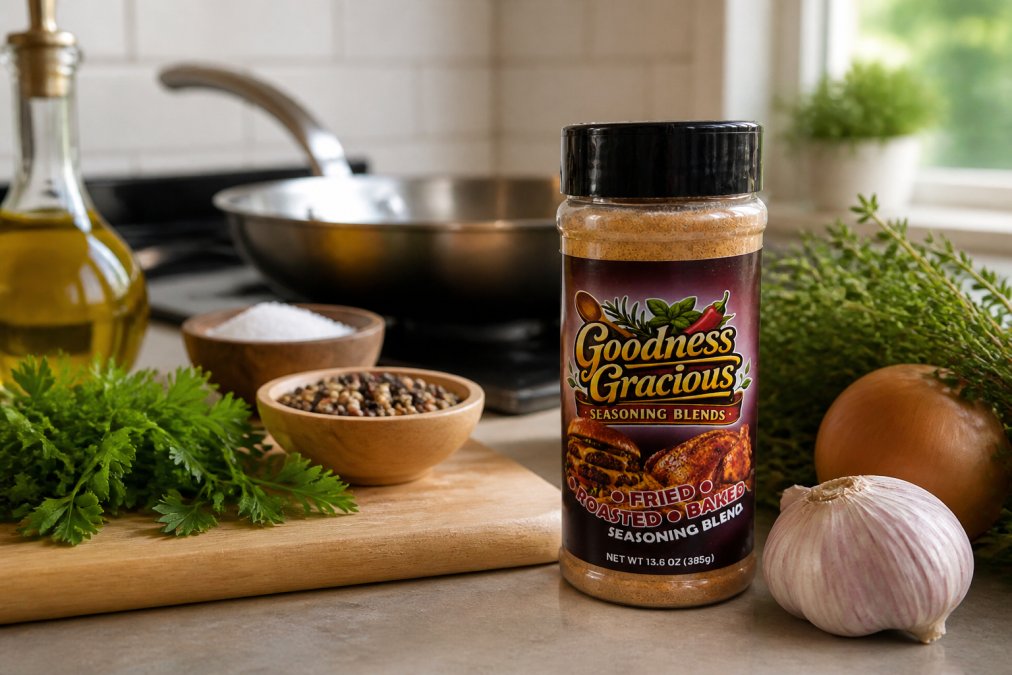
The brand's approach is built around the idea that everyday cooking deserves the same attention a chef would give a special occasion meal. Their blends work across multiple cooking methods, which matters when you're trying to justify premium seasoning costs. A blend that only works for one type of dish sits in your pantry gathering dust. One that transforms fish, chicken, beef, pork, and vegetables? That earns its shelf space.
Our top recommendation for most home cooks is FriedRoastedBaked at $16.99. This all-purpose savory blend delivers exactly what the name promises: it performs across cooking methods. The 16oz size means you're not constantly reordering. More importantly, it eliminates the guesswork. You're not wondering if this blend will work with tonight's protein, you already know it will.

For breakfast enthusiasts, Better Bacon Blend ($16.99) addresses a specific problem: bacon flavor that doesn't rely on actual bacon. Similarly, Everything Egg Blend ($16.99) transforms eggs from a quick breakfast into something memorable. These aren't novelty blends, they're solutions to real cooking problems.
Goodness Gracious also includes a downloadable e-cookbook with over 40 recipes on their website, which eliminates the "how do I actually use this?" friction that stops many home cooks from experimenting with new blends. That's a practical advantage that matters when you're spending money on premium seasoning.
What Sets Premium Brands Apart
The difference between a good seasoning brand and a premium one comes down to three factors: ingredient sourcing, flavor complexity, and consistency of application.
Ingredient sourcing matters more than most home cooks realize. Generic blends often use lower-grade spices that have been sitting in warehouses for months. Premium brands invest in fresher, more flavorful sources. You notice this the moment you open the jar, the aroma is more vibrant, the flavor more pronounced. This isn't marketing. It's chemistry. Fresh spices contain more volatile oils, which means more flavor impact per teaspoon (peer-reviewed research).
Flavor complexity separates the forgettable from the memorable. A basic seasoning blend might contain salt, pepper, and garlic. A thoughtfully crafted blend layers complementary flavors that build on each other. You taste the primary notes immediately, but secondary flavors emerge as you chew. This is what transforms a decent meal into one you remember.
Consistency of application is the practical piece. A premium blend works reliably across different cooking methods, heat levels, and protein types. You're not discovering halfway through dinner that this blend only works for one specific dish. This reliability is worth paying for because it means you'll actually use what you buy.
Clean Label Seasoning Companies Worth Exploring
Clean label has become a marketing term that means almost nothing. Every brand claims to be clean. What actually matters is transparency and ingredient honesty.
True clean label seasoning companies share specific characteristics. They list every ingredient clearly. No vague "spice blends" or "natural flavors" hiding unknown components. No additives, preservatives, or fillers. No MSG, silicon dioxide, or anti-caking agents. The ingredient list reads like something you'd find in a spice rack, not a chemistry lab.
The reason this matters: when you're paying premium prices for seasoning, you're paying for flavor concentration, not filler. A blend loaded with anti-caking agents or cellulose takes up jar space without adding taste. Clean label brands use that space for actual flavor-building ingredients.
Home cooks increasingly prioritize clean label because they're making the connection between ingredient quality and meal quality. It's not just health-conscious reasoning, it's practical. Better ingredients equal better flavor. Simple as that.
When evaluating clean label options, look beyond the marketing language. Check the actual ingredient list. Count how many items you recognize. If you can't pronounce most of the ingredients, that's usually a sign the brand is prioritizing shelf stability over flavor.
Unique Seasoning Blends for Grilling and Roasting
Grilling and roasting are where seasoning blends truly shine. These cooking methods expose spices directly to heat, which intensifies their flavors. The right blend can turn a basic chicken breast into something your guests ask about.
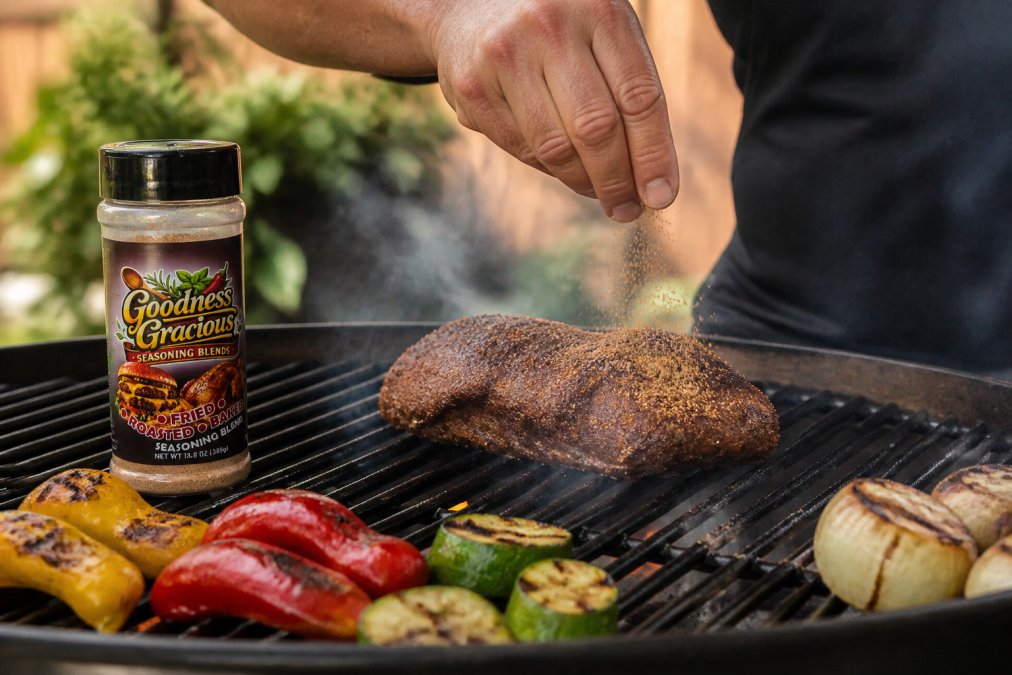
The best grilling blends share a common structure: they layer savory, aromatic, and heat elements. The savory base (usually salt and garlic) anchors the flavor. Aromatic components (paprika, cumin, herbs) add complexity. Heat elements (black pepper, cayenne) provide finish and depth.
What separates exceptional grilling blends from mediocre ones is the balance point. Most home cooks either go too heavy on salt (which overwhelms the meat) or too light (which means the seasoning disappears into the smoke). Premium blends nail this balance because they're designed specifically for high-heat cooking, where flavors either concentrate or dissipate quickly.
Roasting requires a slightly different approach than grilling. Roasted foods sit in a closed environment, which means seasonings don't burn off. This allows for more delicate aromatics and herb components. A blend that works beautifully on roasted vegetables might taste flat on a grill. A grilling blend might be too assertive for oven-roasted proteins.
The practical solution: invest in one blend designed for grilling and one for roasting. This seems like overkill until you realize how dramatically the results improve. A single all-purpose blend is a compromise. Dedicated blends are an investment in better meals.
Flavor Profile Mapping: Finding Your Perfect Blend
Flavor profile mapping is the skill that separates home cooks who consistently create memorable meals from those who stumble through trial and error.
A flavor profile is the complete taste experience of a dish: the primary flavors you notice immediately, the secondary flavors that emerge as you chew, and the finish that lingers. Every ingredient contributes to this profile. Seasoning blends are designed to amplify specific profiles.
Understanding this changes how you approach seasoning. Instead of asking "which blend tastes good?", you ask "which blend matches the flavor profile I'm trying to create?" A Mediterranean-inspired dish needs different aromatics than an Asian-influenced one. A beef dish needs different seasoning architecture than a vegetable dish.
The most effective approach is to identify the flavor profiles you cook most often, then find blends designed for those profiles. If you grill chicken twice a week, invest in a blend specifically engineered for grilled poultry. If you roast vegetables constantly, get a blend that complements roasted aromatics. This targeted approach means you're not wasting money on blends that don't match your actual cooking patterns.
Flavor profile mapping also helps you understand why certain blends work while others disappoint. A blend that's perfect for one application might be completely wrong for another. This isn't a failure of the blend, it's a mismatch between the blend's intended profile and your cooking needs.
The practical exercise: list five dishes you cook regularly. For each one, identify the dominant flavors (savory, sweet, spicy, herbal, umami-rich). Then look for blends designed to amplify those profiles. You'll likely find that three or four strategically chosen blends cover 80% of your cooking.
Price-to-Quality Comparison and Value
The biggest objection to premium seasoning blends is price. A jar of Goodness Gracious Seasoning Blends costs $16.99. A grocery store spice blend might cost $3.99. That's a significant difference.
Here's the math that actually matters: a 16oz jar of premium seasoning goes a long way. Most recipes call for one to two teaspoons. A teaspoon weighs roughly 5 grams (usda.gov). A 16oz jar contains approximately 454 grams (nist.gov). That's roughly 90 teaspoons of seasoning. At two teaspoons per meal, that's 45 meals seasoned from one jar.
Cost per meal: approximately 38 cents.
A grocery store blend costs less upfront, but here's where the value calculation changes. Lower-quality spices contain fewer volatile oils. You need more seasoning to achieve the same flavor impact. You're using three teaspoons instead of two. That 45-meal jar becomes a 30-meal jar. The cost per meal drops to 13 cents upfront, but you're buying replacement jars more frequently.
More importantly, the flavor difference is dramatic. A meal seasoned with a premium blend tastes noticeably better than one seasoned with a basic alternative. That's not subjective, it's a direct result of fresher, more concentrated spices.
The value question isn't really about price per ounce. It's about whether the improved flavor justifies the investment. For most home cooks who cook regularly, the answer is yes. You're not spending more money overall, you're spending money more strategically, on ingredients that actually impact the eating experience.
A practical approach: buy one premium blend and use it for a week. Cook the same meals you normally cook. Compare the results to your usual seasoning approach. The flavor difference will be obvious. Once you experience that, the price premium stops feeling expensive and starts feeling like a bargain.
| Seasoning Option | Cost per Jar | Meals per Jar | Cost per Meal | Flavor Intensity |
|---|---|---|---|---|
| Basic grocery store blend | $3.99 | 30 | $0.13 | Lower |
| Premium all-purpose blend | $16.99 | 45 | $0.38 | Higher |
| Specialty grilling blend | $16.99 | 45 | $0.38 | Higher |
| Individual spices (bulk) | $2-5 each | Varies | $1.00+ | Variable |
Conclusion: Elevating Your Culinary Ritual
The real cost of mediocre seasoning isn't the money you save, it's the meals that taste forgettable. When you cook regularly, this adds up. Hundreds of meals a year that could be memorable but aren't.
Goodness Gracious Seasoning Blends solves this problem directly. Our artfully crafted blends transform everyday proteins into dishes worth remembering. Each blend is thoughtfully sourced to deliver bold, nuanced flavors across multiple cooking methods. Whether you're grilling, roasting, or pan-searing, our blends work reliably. Get started with Goodness Gracious Seasoning Blends today and discover how striking spice combinations unlock culinary potential in every dish you create.
Ready to elevate your cooking? Explore our full collection of seasoning blends at Goodness Gracious Seasoning Blends and download our free e-cookbook with over 40 recipes showing exactly how to use each blend. Start with FriedRoastedBaked ($16.99) for an all-purpose option, or choose Better Bacon Blend or Everything Egg Blend ($16.99 each) if you have specific breakfast goals. Every jar includes detailed usage instructions, and our downloadable recipes save you the guesswork entirely.

Frequently Asked Questions
Q: What makes spiceology alternatives different from standard grocery store seasonings?
A: Spiceology alternatives prioritize freshness, clean label ingredients, and nuanced flavor profiles. Unlike mass-market blends, curated seasoning brands source botanicals for maximum aromatic quality and avoid artificial additives. Premium alternatives like Goodness Gracious Seasoning Blends ($16.99 per 16oz blend) focus on culinary-grade ingredients that deliver complex flavors. The difference shows immediately in taste depth and cooking results.
Q: How do I choose between individual spices and pre-mixed seasoning blends?
A: Individual spices offer flexibility for culinary experimentation, but pre-mixed blends save time and ensure balanced flavor profiles. Blends excel for busy professionals seeking gourmet results without complexity. If you cook frequently with specific techniques (smoking, grilling, roasting), signature blends designed for those methods deliver superior results than assembling your own. For home chefs who enjoy ritual and discovery, artfully crafted blends from clean label companies provide consistent quality and inspiration.
Q: Are boutique seasoning brands worth the higher price compared to Spiceology?
A: Yes, when you prioritize sourcing standards and flavor complexity. Boutique brands typically invest in small-batch production, ethical sourcing, and additive-free formulations. At $16.99 per blend, Goodness Gracious Seasoning Blends delivers artfully curated combinations tested across multiple culinary applications. The value lies not just in taste but in the creative ritual and memorable meals these blends enable, making them worthwhile for home cooks who view cooking as a meaningful practice.
Q: What should I look for when evaluating clean label seasoning companies?
A: Prioritize brands that clearly list all ingredients, avoid artificial preservatives and MSG, and source from reputable suppliers. Check for transparency about dehydration methods, grind consistency, and freshness standards. Top clean label seasoning companies provide detailed flavor profiles so you understand heat level, umami notes, and botanical elements before purchasing. Read how other home chefs use the blends in actual recipes, which reveals whether a brand truly delivers on its flavor promises across diverse cooking methods.
This article was written using GrandRanker