

Table of Contents
- How to Bloom Spices in Oil for Maximum Flavor
- Building Depth With Dry Rubs and Char
- How to Make Compound Butter With Spices
- How to Season Food Like a Chef
- Creative Spice Blends for Snacks and Appetizers
- Infusing Marinades and Pan Sauces
- Storage, Potency Testing, and Shelf-Life
- Frequently Asked Questions
Last Updated: September 2, 2026
How to Bloom Spices in Oil for Maximum Flavor
Blooming spices in oil unlocks deep, complex flavors by activating essential oils and releasing compounds that remain dormant in dry blends. Spices contain volatile aromatic compounds locked in their cellular structure. While dry heat helps, fat acts as a solvent that draws out and distributes these flavor molecules throughout your dish, making even a pinch of bloomed spices more impactful than a larger amount sprinkled raw into cold food.
Heat your oil or fat over medium heat for about 30 seconds until it shimmers. Add your spice blend and stir constantly for 30-60 seconds, watching for intensified fragrance and slight darkening. Stop before they burn, this threshold happens fast, usually between 45-90 seconds depending on your heat level. Timing varies by blend composition: lighter spices like coriander or cumin bloom quickly, while denser spices like cloves or cinnamon need slightly longer. With Goodness Gracious Seasoning Blends, each blend is formulated with bloom timing in mind for consistent results.
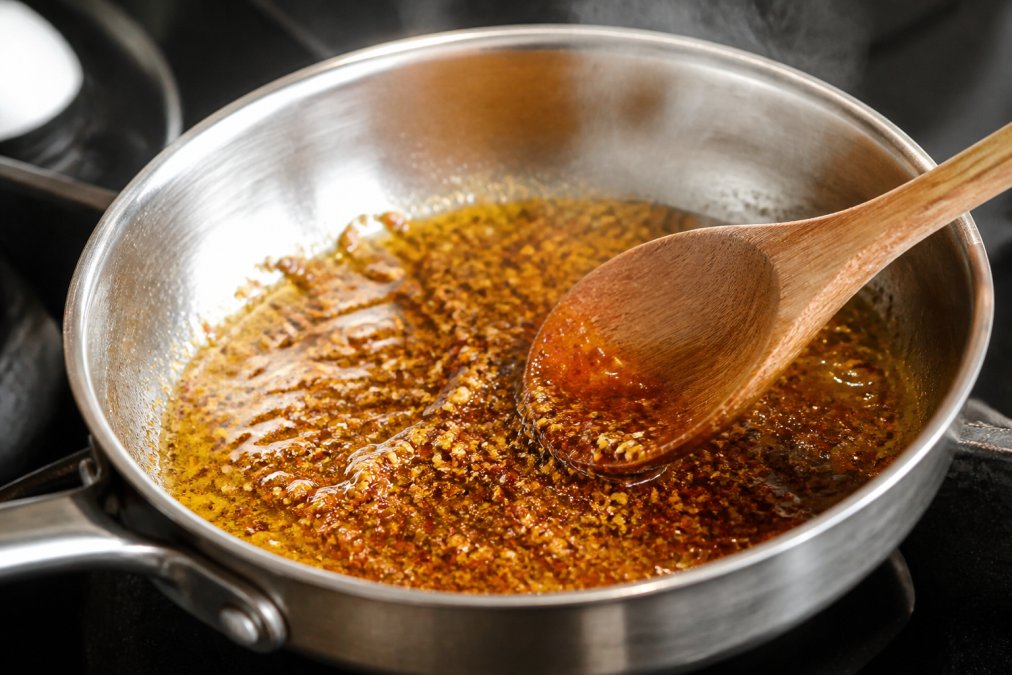
Use bloomed spice blends as the flavor base for soups, stews, curries, and pan sauces. Pour the entire mixture, oil and spices together, into your liquid or next ingredient to ensure every bit of released flavor stays in the dish.
Building Depth With Dry Rubs and Char
A dry rub transforms proteins by creating a flavorful crust while keeping the interior moist. The spices form a seal that traps moisture while developing complex char flavors through the Maillard reaction, the chemical process that creates savory, browned flavors when proteins and amino acids heat together (peer-reviewed research).
Pat your protein dry and apply the spice blend generously, pressing it into the surface so it adheres. For a pound of protein, use about one tablespoon of spice blend as a starting point. Let the rub sit for at least 15 minutes before cooking to allow the spices to penetrate the surface and adhere better. For deeper flavor, refrigerate for several hours or overnight.
Heat your cooking surface until quite hot. When you place the rubbed protein on the hot surface, leave it undisturbed for several minutes to allow a proper crust to form. This is where the char develops, creating those complex, slightly bitter notes that balance the spice blend's brightness.
Different proteins benefit from different spice blend profiles. Beef and pork can handle bold, smoky blends with deeper heat. Fish and chicken pair better with herbaceous, citrusy blends. The FriedRoastedBaked blend from Goodness Gracious Seasoning Blends works across all proteins because it balances savory depth with enough brightness to complement delicate proteins.

How to Make Compound Butter With Spices
Compound butter, softened butter mixed with spices and herbs, delivers outsized flavor impact. The butter acts as a delivery system, melting over hot food and coating every surface with spiced richness, the secret behind restaurant-quality steaks, vegetables, and bread.
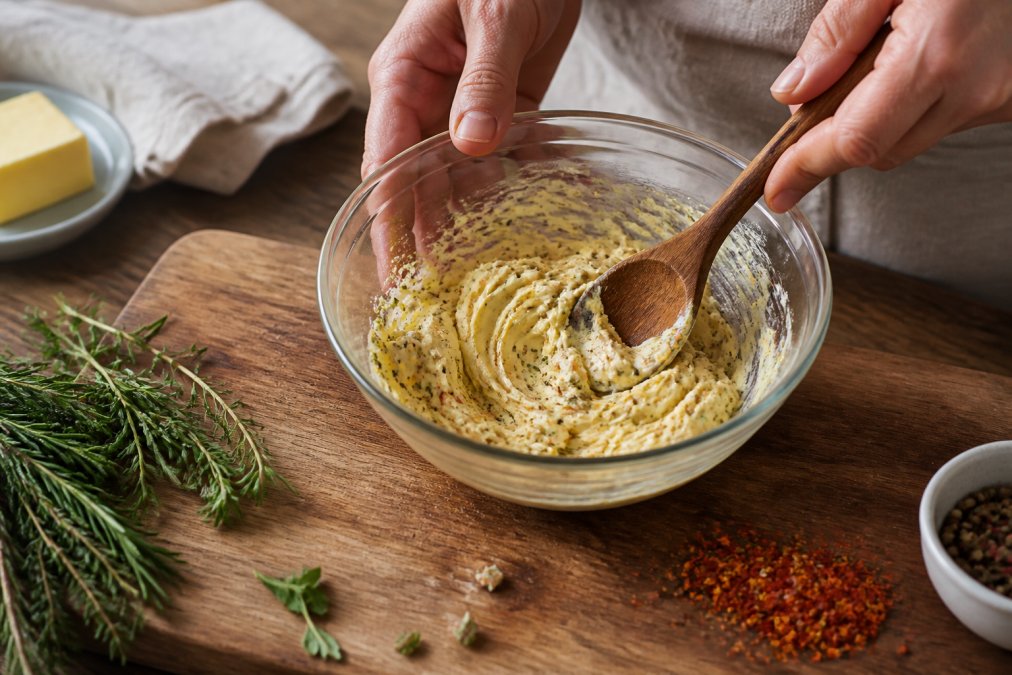
Soften butter at room temperature for 20-30 minutes until pliable but still holding its shape. Cut it into chunks and place in a bowl. Add your spice blend (about one teaspoon per quarter pound of butter) and mix thoroughly with a fork or wooden spoon until the color is even and spices are fully distributed. Taste and adjust for noticeable but not overwhelming spice flavor.
Transfer the mixture to plastic wrap or parchment paper. Roll it into a log about an inch in diameter and twist the ends to seal. Refrigerate until firm, then slice into discs as needed. A log keeps for two weeks refrigerated and several months frozen.
Use compound butter on steaks immediately after cooking, place a disc on hot roasted vegetables just before serving, melt it over grilled fish, or spread it on warm bread. The applications are nearly endless because compound butter works on anything that benefits from richness and depth. Having several logs with different spice blends on hand transforms your ability to cook with confidence.
How to Season Food Like a Chef
Professional chefs layer seasoning throughout cooking, adjusting as they go and tasting constantly. This builds complexity rather than creating a single flat flavor note.
Season proteins before cooking. Salt generously 40 minutes before cooking, or just before, never in between. Salting too far ahead draws out moisture that then reabsorbs, seasoning the meat throughout (peer-reviewed research). Salting just before seasons only the surface. Both work; choose based on your protein and method.
As you build your dish, add spice blends at strategic moments. Bloom them in fat early to establish foundational flavor. Add more spice blends mid-cooking to build layers. Finish with a small pinch of fresh spice blend if the dish needs brightness or if flavors have muted during cooking.
Taste throughout using a clean spoon at each major step. This teaches your palate what's happening and prevents under-seasoning, the most frequent error in home cooking. Understanding your spice blends' flavor profiles helps you make real-time decisions instead of following rigid recipes. The Goodness Gracious Flavor Secrets E-Cookbook provides detailed guidance on how each blend behaves across different cooking methods and ingredients.

Creative Spice Blends for Snacks and Appetizers
Snacks and appetizers are perfect testing grounds for creative spice blend applications. Melt butter, toss in your spice blend, then drizzle over freshly popped popcorn and toss thoroughly. The butter helps spices adhere and distribute evenly. Start with half the amount you think you need, taste, then adjust.
Roasted nuts benefit from the same approach. Toast raw nuts in a dry pan until fragrant, then toss with melted butter or oil mixed with your spice blend. Spread on a sheet pan to cool completely; they'll crisp up as they cool.
Vegetable chips work well too. Slice vegetables thin (potatoes, beets, carrots, zucchini), toss with oil and spice blend, then bake at high heat until crispy. The vegetable's natural sweetness balances savory spice blends beautifully.
Roasted chickpeas are surprisingly versatile. Drain canned chickpeas, pat dry, toss with oil and spice blend, then roast at 400°F for 20-30 minutes until crispy. They're crunchy, protein-rich, and take on whatever spice profile you choose.
The key to successful snack seasoning is balance. Aim for flavor that's noticeable but not dominating, something that makes people want another handful rather than reach for water.
Infusing Marinades and Pan Sauces
A basic marinade structure includes fat (oil), acid (vinegar, citrus, wine), aromatics (spice blends, garlic, herbs), and salt. The fat carries flavor compounds and prevents surface drying. The acid tenderizes and brightens. The spice blend provides primary flavor.
Mix your marinade components, then submerge your protein completely. Timing depends on density and size: fish needs only 20-30 minutes, chicken benefits from 2-4 hours, beef and pork can marinate overnight. Marinate in the refrigerator, not at room temperature. Remove the protein 30 minutes before cooking to bring it closer to room temperature for more even cooking.
Pan sauces showcase spice blends in finishing applications. After searing a protein, pour off excess fat, leaving about a tablespoon in the pan. Add your spice blend and let it bloom for 15-20 seconds. Add liquid (stock, wine, or water), scrape up the browned bits (called fond), and simmer until the sauce reaches your desired consistency. This technique creates complex sauce flavors from minimal ingredients.
| Application | Spice Blend Type | Timing | Best Proteins |
|---|---|---|---|
| Marinade | Balanced, acidic-forward | 2-8 hours | Beef, pork, chicken, fish |
| Pan sauce | Bold, savory | 30-60 seconds bloom | All proteins |
| Infusion | Herbaceous, subtle | 15-30 minutes steep | Delicate fish, vegetables |
Storage, Potency Testing, and Shelf-Life
Spice blends lose potency over time as volatile aromatic compounds evaporate. Store them in airtight containers away from heat, light, and humidity. A cool, dark pantry is ideal. Glass jars with tight-sealing lids work better than plastic.
Most commercially blended spices maintain good potency for 6-12 months from purchase (the FDA). Goodness Gracious Seasoning Blends are formulated to maintain their character over this window when stored properly. After 12 months, flavor gradually diminishes, requiring slightly larger quantities to achieve the same impact.
Test potency by smelling the blend. Fresh spices smell vibrant and immediately recognizable. Aged blends smell muted and less distinct. If the aroma feels faint, the blend is past its prime for applications where spice flavor is the star. It still works in slow-cooked applications like soups or stews where flavor has time to develop.
Keep detailed notes on when you open each jar by writing the date on the label with a permanent marker. This simple practice prevents the common problem of forgetting how long a blend has been open.
Creative ways to use spice blends transform ordinary cooking into something memorable. The techniques in this guide, blooming, dry rubbing, compound butters, layered seasoning, snack applications, marinades, and proper storage, give you a complete framework for extracting maximum flavor from every blend you use. The Goodness Gracious Flavor Secrets E-Cookbook ($9.99) provides over 40 detailed recipes showing exactly how to apply these techniques with Goodness Gracious Seasoning Blends. Download it today and discover how thoughtfully sourced spice blends unlock a world of culinary potential in your everyday cooking.
Frequently Asked Questions
How do I bloom spices to maximize flavor in my cooking?
Blooming spices means heating them in oil or fat before adding other ingredients. Heat 1-2 tablespoons of oil in a small pan over medium heat, add your spice blend, and toast for 30-60 seconds until fragrant. This technique releases essential oils and deepens the flavor profile. Use this method when starting soups, stews, or sauces. The Goodness Gracious Flavor Secrets E-Cookbook includes detailed recipes showing exactly when and how to bloom each blend for maximum impact.
Can I use spice blends in baking or desserts?
Yes, certain blends work beautifully in baking. Warm, aromatic spices like cinnamon and nutmeg pair naturally with baked goods, while savory blends can add unexpected depth to chocolate desserts or spiced cakes. Start by adding 1/4 teaspoon of blend to your dry ingredients and adjust to taste. The key is choosing blends with complementary flavor notes, herbaceous or pungent blends typically don't work well in sweet applications, but smoky or earthy blends can create memorable flavor combinations.
What's the best way to store spice blends to maintain freshness?
Store spice blends in airtight containers away from heat, light, and moisture. Glass jars with tight-fitting lids work best. Keep them in a cool, dark pantry rather than above the stove. Most blends maintain peak potency for 6-12 months, though they don't expire, they simply lose aromatic intensity over time. To test shelf-life, open the container and smell; if the aroma is faint, the blend is still usable but may need slightly larger quantities in recipes.
How can I use spice blends to create quick pan sauces?
After cooking protein or vegetables, remove them from the pan and add 1/4 cup broth or wine to the hot pan. Sprinkle in 1/2 teaspoon of your spice blend and simmer for 1-2 minutes while whisking. The heat releases the blend's aromatics into the liquid, creating a rich sauce. Finish with a pat of butter or a drizzle of oil for depth. This technique transforms simple proteins into restaurant-quality dishes in minutes.
This article was written using GrandRanker