

Table of Contents
- Why Most Spice Advice Misses the Real Signs of Quality
- Test 1: Visual Inspection of Color and Vibrancy
- Test 2: The Aroma Test for Potency
- Test 3: Texture and Grind Consistency Check
- Whole vs Ground Spices Quality: Which Lasts Longer?
- Test 4: The Sensory Taste Test and Bloom
- How to Tell if Spices Are Expired: Beyond the Date
- How to Store Spices for Maximum Freshness
- Frequently Asked Questions
Why Most Spice Advice Misses the Real Signs of Quality
Most guides tell you to "look for vibrant color" and "smell for potency," then leave you to guess what that actually means. That advice fails because it ignores the objective markers of quality: harvest dates, volatile oil content, grind consistency, and moisture levels. High quality spices are botanicals, and they degrade on a predictable timeline once harvested.
The real test of high quality spices comes down to four sensory evaluations you can perform at home in under five minutes. Below, we'll show you exactly how to run each test, what results indicate a premium product, and where most people unknowingly buy spices that have already lost their punch. But first, here's what most guides get wrong: they treat all spices as if they age the same way. Whole spices like cumin seed or coriander hold their aromatic compounds for years, while ground spices begin losing volatile oils within days of milling.
Test 1: Visual Inspection of Color and Vibrancy
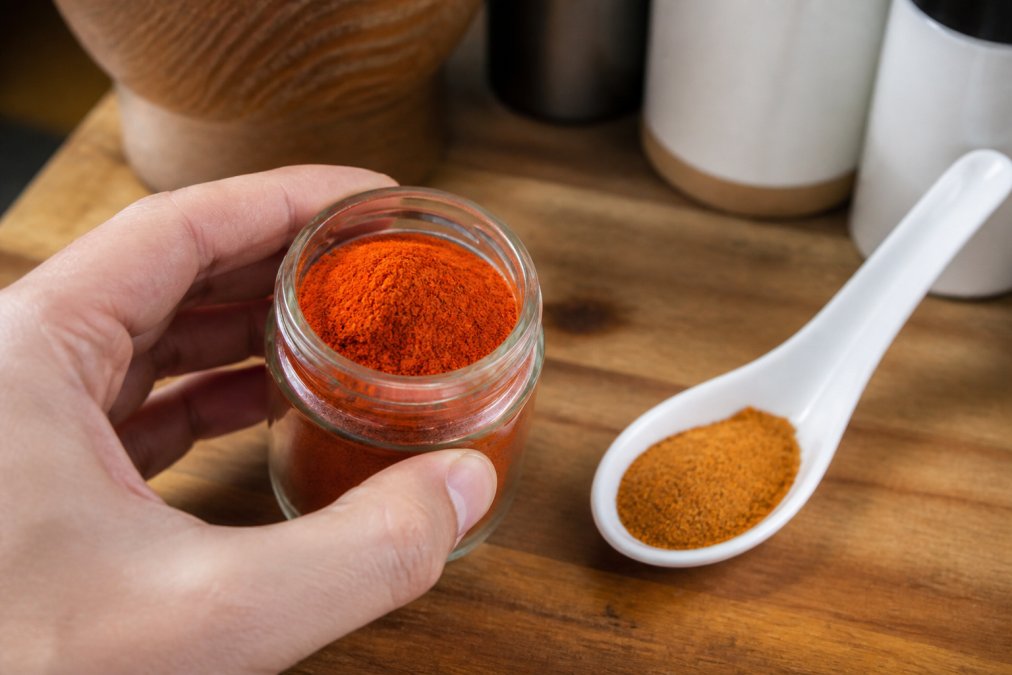
Color is your first objective clue about spice quality. Freshly ground high quality spices display a saturated, uniform hue: paprika should glow deep red, turmeric should shine bright yellow-orange, and cinnamon should appear warm brown with no gray undertones. Dullness signals oxidation, which happens when spices sit exposed to light and air for extended periods.
A common mistake is assuming brighter always means better. Some suppliers add synthetic dyes to mask faded product, so look for uniformity rather than intensity alone. Natural spices show subtle variation in shade across the grind. If the color looks impossibly consistent, that warrants suspicion. According to FDA guidance on spice adulteration and quality standards, fillers and artificial coloring remain a documented concern in the spice trade, which is why visual inspection alone never tells the full story.
Test 2: The Aroma Test for Potency
The aroma test measures the concentration of volatile oils, the aromatic compounds responsible for both fragrance and flavor. High quality spices release an immediate, pronounced scent the moment you open the container. If you have to bury your nose in the jar to detect anything, the spice has already lost its essential oils.
Here is the proper technique: crush a small amount between your fingers, then inhale. The friction from crushing releases aromatic compounds that a whole, undisturbed spice holds inside. A fresh spice should produce a noticeable burst of fragrance. Cumin should smell warm and earthy, not musty. Oregano should smell herbaceous and slightly sweet, not like hay. This test works because volatile oils evaporate over time, and their absence directly correlates with diminished flavor. The UC Davis research on spice volatile oil degradation confirms that ground spices lose significant aromatic potency within months of milling, not years.
Test 3: Texture and Grind Consistency Check
Texture reveals processing quality and moisture content. Rub a pinch of the spice between your thumb and forefinger. High quality spices feel dry and fine, with a consistent particle size throughout. Clumping signals moisture exposure, which accelerates mold growth and flavor degradation. Gritty or uneven grinds suggest poor milling equipment or the presence of stems and fillers.
The grind consistency test also catches adulteration. Some lower-grade products stretch their volume with cheaper fillers like wheat flour, starch, or ground nut shells. A pure spice grinds into a uniform powder, while adulterated products feel slightly different between your fingers and may leave a powdery residue on your palm. Whole spices offer the easiest texture verification: they should be intact, unbroken, and free of debris.
The Water Test for Starch Fillers
Starch is one of the most common adulterants in ground spices like turmeric, chili powder, and paprika. A simple water test can detect it. Place a teaspoon of the spice in a clear glass of warm water and stir gently. Pure ground spices will disperse slowly, leaving the water lightly tinted with the spice's natural color. If the water turns cloudy or milky, or if a starchy sediment settles at the bottom within a minute, the product likely contains wheat flour, cornstarch, or rice powder as a filler. This happens because starch granules absorb water and swell, creating a cloudy suspension. The FDA guidance on spice adulteration and quality standards lists starch as a documented bulking agent in adulterated spices.
The Paper Towel Oil Test for Added Dyes
Some suppliers add synthetic dyes to mask faded product or to make low-quality spice look vibrantly fresh. The paper towel test catches this. Place a small pinch of the spice on a white paper towel, fold it over, and press firmly. Then unfold and inspect the residue. Pure ground spices leave a fine, colored powder that stays mostly in place. If the towel shows bright, concentrated color streaks or an oily stain that spreads beyond the powder, the spice likely contains added oil-soluble dyes. This is particularly common with turmeric and chili powder. Natural spices do not bleed color onto dry paper.
The Vinegar Test for Turmeric Purity
Turmeric's active compound, curcumin, is insoluble in water but behaves predictably in acid. To test purity, mix a teaspoon of ground turmeric with a tablespoon of white vinegar. Pure turmeric will turn a deeper, more intense yellow-orange as the curcumin reacts with the acid. If the mixture turns bright red or pink, that indicates the presence of synthetic dyes like metanil yellow, a common adulterant in lower-grade turmeric. This test is cheap, takes under a minute, and gives you a definitive answer that visual inspection alone cannot provide.
These objective tests complement the sensory checks. They do not require specialized equipment or a trained palate, and they catch the most common adulteration tactics used in the spice trade.
Whole vs Ground Spices Quality: Which Lasts Longer?
Whole spices quality far exceeds ground spices when it comes to shelf life, and the gap is dramatic. Whole spices retain their volatile oils inside protective cellular structures, shielding them from oxidation. Ground spices expose massive surface area to air, accelerating flavor loss. A whole nutmeg stays potent for years, while ground nutmeg loses its punch within months.
This doesn't mean ground spices are inferior. Many culinary applications demand the immediate dispersion that ground spices provide. The key is understanding what you are buying: ground spices reward frequent, small-quantity purchases from suppliers who mill in batches and package quickly. Whole spices reward slower, larger purchases that you grind yourself as needed. The USDA guide on spice storage and shelf stability recommends whole spices for long-term storage and ground spices for immediate use, noting that grinding at home preserves the aromatic compounds that pre-ground products lose during shipping and shelf time.
Test 4: The Sensory Taste Test and Bloom
The taste test is the final arbiter of spice quality, and it requires more nuance than simply sprinkling spice on your tongue. The proper method involves blooming: heating the spice briefly in oil or fat to release its fat-soluble flavor compounds.
To run this test, heat a tablespoon of neutral oil in a small pan, then add a pinch of the spice. High quality spices will sizzle immediately and release a fragrant aroma within seconds. The oil should take on the spice's color quickly. Inferior spices produce minimal aroma and barely tint the oil. This test also reveals pungency, the sharp, biting quality that indicates active compounds are present. Fresh cumin blooms into a warm, toasty aroma. Fresh chili flakes bloom into a sharp, eye-watering pungency that signals capsaicin is intact.
How to Tell if Spices Are Expired: Beyond the Date
Expiration dates on spice jars are conservative estimates, not absolute deadlines. The real question is whether the spice still delivers its intended flavor profile, and the sensory tests above answer that question better than any printed date.
First, check for moisture damage: clumping, discoloration, or any sign of mold means the spice should be discarded immediately. Second, evaluate aroma: if crushing the spice produces no scent, it will contribute nothing to your cooking. Third, taste a tiny amount: if it tastes flat, bitter, or dusty rather than pungent and vibrant, it has oxidized past the point of usefulness. Ground spices typically last 6 to 12 months after opening, while whole spices can remain viable for 2 to 3 years when stored properly. These timelines assume correct storage conditions, which brings us to the final piece of the puzzle.
How to Store Spices for Maximum Freshness
How to store spices for maximum freshness comes down to controlling four variables: light, heat, air, and moisture. Each accelerates the degradation of volatile oils. The ideal environment is a cool, dark, dry cupboard, not the rack beside your stove where heat and steam attack the product daily.
Airtight storage is non-negotiable. Transfer spices to glass jars with tight-sealing lids, and keep them away from direct sunlight. Never store spices above your stove or dishwasher, where ambient heat and humidity shorten their shelf life. Buy whole spices when you want longevity, and grind only what you need for immediate use. For ground spices, purchase in small quantities that you will finish within a few months.
What to Look for on the Label Before You Buy
Storage begins at the point of purchase. The label itself is your first line of defense. Look for three specific pieces of information on any spice package:
- Harvest year or season: A high quality supplier will tell you when the spice was harvested, not just when it was packaged. A harvest date that is more than 18 months old for ground spices means the volatile oils have already begun significant degradation, regardless of how well it was stored.
- Origin country: Single-origin labeling matters because it indicates traceability. A blend that lists "Product of India, Vietnam, and Indonesia" without specifying which spice came from where is a red flag for commodity-grade sourcing. Premium suppliers name the specific region, such as "Kashmiri chili" or "Tellicherry peppercorns," because regional varieties have distinct flavor profiles.
- Processing date and method: The gap between milling and packaging is critical. Ground spices begin losing volatile oils within days of milling. A label that shows a processing date within weeks of your purchase indicates a supplier who mills in small batches. Look for terms like "stone-ground" or "cold-milled," which indicate lower-heat processing that preserves aromatic compounds. Industrial high-heat grinding, common in mass-market production, can reach temperatures that drive off the most volatile and delicate flavor compounds.
Why Processing Method Matters for Storage
The way a spice is milled affects how long it stays fresh in your cupboard. Stone grinding operates at lower speeds and temperatures, preserving more of the spice's cellular structure and volatile oils. Cold milling takes this further by actively cooling the grinding chamber. Industrial high-heat grinding processes large volumes quickly, generating friction heat that can degrade heat-sensitive aromatic compounds before the spice even reaches the jar.
The Freezer Exception
Most spices should never go in the refrigerator or freezer, where moisture condensation ruins them. The one exception is paprika and chili powders, which are particularly prone to losing color and flavor. If you buy these in bulk, portion them into small airtight containers and freeze the portions you will not use within three months.
Goodness Gracious Seasoning Blends packages our blends in airtight containers designed to preserve volatile oils from the moment of milling to the moment you open them in your kitchen. Our thoughtfully sourced ingredients arrive ready to use, with the vibrancy and potency intact. The included digital cookbook with over 40 recipes shows you exactly how to bloom and layer these blends for maximum impact, turning the ritual of cooking into a memorable culinary occasion every time.
Frequently Asked Questions
How can you tell if spices have gone bad?
Expired spices lose their volatile oils, which means they lose flavor and aroma. If a spice smells flat or like dust, has faded color, or feels clumpy from moisture exposure, it has likely degraded. Ground spices generally last 6 to 12 months after opening, while whole spices can remain viable for 2 to 3 years when stored properly. Trust your senses over the date.
Does the color of a spice indicate its quality?
Yes, vibrant color is a strong indicator of high quality spices. Bright, consistent coloring signals fresh volatile oils and proper processing. Dullness or a faded, grayish tint usually means oxidation and age. For example, high-quality paprika should be a vivid red, and good cinnamon should be a warm, rich brown. Dull color often means the spice has lost its potency.
What is the difference between whole and ground spices quality?
Whole spices retain their essential oils and flavor compounds far longer than ground spices because grinding exposes more surface area to oxygen and light, accelerating flavor degradation. For the best quality, buying whole spices and grinding them at home as needed can provide the most potent flavor and allows you to control the grind consistency for different culinary applications.
How should I store spices to keep them high quality?
To store spices for maximum freshness, keep them in airtight glass containers away from heat, light, and moisture. Do not store them above your stove or near a dishwasher. A cool, dark pantry is ideal. Avoid using a spoon that has touched food to scoop spices, as this introduces moisture and bacteria, which shortens shelf life.
This article was written using GrandRanker