

Table of Contents
- What Makes a Dinner Feel Gourmet in 2026?
- 7 Simple Gourmet Dinner Recipes for 2026
- How to Elevate Simple Dinners with Spices
- Easy Dinner Ideas for Busy Professionals Who Love to Cook
- Gourmet Meal Prep Strategies for the Week
- Common Mistakes That Make Simple Dinners Taste Plain
- Conclusion: Make Tonight a Culinary Occasion
- Frequently Asked Questions
Last Updated: September 4, 2026
The ritual of a weeknight meal often gets sacrificed to speed, but a handful of quality ingredients and a smart approach can turn the ordinary into something memorable. Simple gourmet dinner recipes in 2026 are less about complicated techniques and more about confident flavor pairings and efficient methods that respect your time. At Goodness Gracious Seasoning Blends, we believe that a gourmet dinner recipes approach should be accessible, using artfully crafted spice blends to deliver restaurant-quality results at home. Below, we’ll show you exactly how to build a culinary occasion on a Tuesday night, covering seven specific dishes, the spice strategies that make them sing, and the meal prep habits that keep gourmet cooking sustainable all week.

What Makes a Dinner Feel Gourmet in 2026?
A dinner feels gourmet when it engages multiple senses with intentional contrasts: the crisp sear on a piece of fish, the brightness of fresh herbs against a rich sauce, and the aromatic depth that only comes from properly toasted spices. In 2026, the focus has shifted away from fussy plating techniques toward what culinary experts call flavor-forward cooking, where the quality of the ingredient and the precision of the seasoning do the heavy lifting.
The real difference between a standard weeknight meal and a gourmet one often comes down to the finishing touches. A squeeze of lemon, a pat of compound butter, or a final dusting of a bold spice blend can transform a pan-seared chicken breast into something that feels intentional and complete. This approach aligns with guidance from the Culinary Institute of America on foundational cooking techniques, which emphasizes that mastering a few core methods matters more than attempting elaborate recipes.
7 Simple Gourmet Dinner Recipes for 2026
These seven recipes are built on the idea that gourmet-at-home means smart techniques, bold seasoning, and a total time investment that fits a busy schedule. Each dish focuses on a different cooking method or protein, giving you a versatile toolkit for the week.
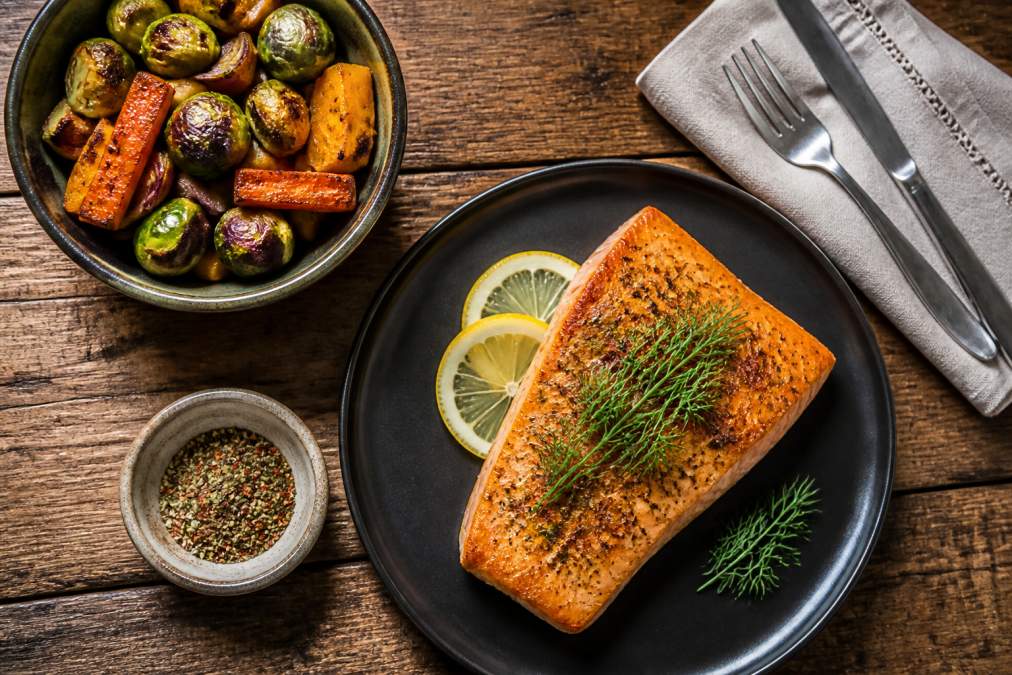
Pan-Seared Salmon with Herb Butter
This dish is the definition of quick-prep elegance, delivering a restaurant-quality result in under 20 minutes. Start by patting your salmon fillets dry and seasoning them generously with a savory spice blend that includes herbs and garlic. Heat a heavy skillet over medium-high heat, add a touch of oil, and place the fillets skin-side down, pressing gently for a perfect crispy crust.
The secret to the gourmet feel lies in the pan sauce. After flipping the fish, add a knob of butter, some minced shallot, and a squeeze of lemon to the pan. Spoon the melting, bubbling butter over the fish as it finishes cooking, then finish with a handful of chopped fresh herbs like dill or parsley. This technique, known as basting, infuses the fish with flavor and creates a simple, elegant sauce that makes the dish feel complete.
Budget-Conscious Gourmet Angle: While salmon fillets can run $12-$15 per pound, you can achieve the same result with steelhead trout or Arctic char, which often cost 20-30% less. Alternatively, look for flash-frozen wild-caught salmon portions, they are typically $8-$10 per pound and thaw perfectly in the refrigerator overnight.
Dietary-Specific Gourmet Angle: This recipe is naturally gluten-free and keto-friendly, with roughly 28 grams of protein and only 2 grams of carbohydrates per 6-ounce serving. For a low-FODMAP version, skip the shallot and use only the green tops of scallions. The butter can be swapped for a high-quality olive oil or ghee if you are dairy-sensitive.
One-Pan Chicken with Seasonal Vegetables
For a truly restorative meal with minimal cleanup, the one-pan method is unbeatable. This recipe is a canvas for whatever is freshest at the market, making it a perfect way to cook with the seasons. In early 2026, look for spring asparagus, baby potatoes, and sugar snap peas, which all roast beautifully alongside chicken.
Arrange bone-in, skin-on chicken thighs on a sheet pan with your chopped vegetables, then toss everything with olive oil and a generous dusting of a savory all-purpose seasoning. Roast at 425°F until the chicken skin is shatteringly crisp and the vegetables are caramelized at the edges. The key is to ensure everything is cut to a similar size so it cooks evenly, creating a balanced meal where the juices from the chicken flavor the vegetables below.
Budget-Conscious Gourmet Angle: Bone-in, skin-on chicken thighs are among the most economical proteins in the meat case, often priced between $1.99 and $3.49 per pound. A 5-pound pack will yield two full dinners for a family of four, bringing the per-serving cost to under $2.50. To stretch it further, add a can of drained chickpeas to the sheet pan during the last 15 minutes of roasting.
Dietary-Specific Gourmet Angle: This recipe is naturally gluten-free and can be adapted for a keto diet by swapping the baby potatoes for radishes or cauliflower florets. For a low-FODMAP version, use only the green parts of leeks or replace the onion family entirely with fennel bulb.
Quick Pasta with Slow-Roasted Tomatoes
This recipe leans on a classic trick for big flavor: slow-roasting tomatoes to concentrate their natural sweetness into a jammy, umami-rich base. A quicker version involves halving cherry tomatoes, tossing them with olive oil, garlic, and a pinch of dried herbs, and roasting them at 400°F for about 20 minutes until they burst.
Once your pasta is cooked al dente, reserve a cup of the starchy water and drain the rest. Toss the hot pasta with the roasted tomatoes, a handful of fresh basil, and a splash of the pasta water to create a silky sauce that clings to every noodle. A final grating of Parmesan and a drizzle of good olive oil elevates this simple dish into a comforting, gourmet weeknight staple.
Budget-Conscious Gourmet Angle: This dish is inherently budget-friendly, with a full meal for four costing roughly $8-$10 total. The real cost-saver is using the "ugly" tomatoes that many grocers discount by 30-50%, they roast just as well as perfect specimens. For the pasta, look for bronze-die-cut varieties from Italian brands like De Cecco or Barilla, which have a rougher texture that grips sauce better than standard extruded pasta.
Dietary-Specific Gourmet Angle: For a gluten-free version, use chickpea or lentil pasta, which adds 12-14 grams of protein per serving. For a low-FODMAP adaptation, use garlic-infused olive oil instead of fresh garlic cloves, the infusion process removes the FODMAP compounds while retaining the flavor.
Braised Short Ribs for a Crowd-Pleasing Weekend
For a slow-cooked centerpiece that feels truly special, braised short ribs are the ultimate crowd-pleaser. While this isn't a 30-minute recipe, the active prep time is short, and the oven does the rest of the work. Season the ribs generously, sear them in a Dutch oven until deeply browned on all sides, then set them aside.
In the same pot, sauté onions, carrots, and celery, then deglaze with red wine, scraping up the browned bits from the bottom. Return the ribs to the pot, add beef broth, a sprig of rosemary, and a bay leaf, then cover and braise in a 325°F oven for about three hours. The result is meltingly tender meat in a rich, flavorful sauce that feels like a special occasion, perfect for a leisurely weekend dinner.
Budget-Conscious Gourmet Angle: Short ribs have become a trendy cut, which has driven prices up to $8-$12 per pound at many grocers. However, you can achieve nearly identical results with beef chuck roast, which is typically $5-$7 per pound and braises to the same fork-tender texture. For a truly economical version, look for beef shank or oxtail, which are often $4-$6 per pound and yield an even richer, more gelatinous sauce.
Dietary-Specific Gourmet Angle: This recipe is naturally gluten-free and keto-friendly, with roughly 35 grams of protein and 3 grams of carbohydrates per serving. For a low-FODMAP version, skip the onion and garlic entirely and instead use the green tops of leeks plus a splash of balsamic vinegar for depth. The red wine can be replaced with an equal amount of beef broth plus a tablespoon of red wine vinegar to maintain acidity without the alcohol.
Flavor-Forward Pork Tenderloin with Mise-En-Place
Pork tenderloin is a lean, quick-cooking cut that benefits enormously from a bold spice rub, making it a fantastic candidate for a flavor-forward weeknight meal. The key to success here is practicing mise-en-place, which means having all your ingredients prepped and measured before you start cooking. This simple habit ensures the cooking process is smooth and stress-free.
Rub the tenderloin with a blend of smoked paprika, garlic powder, and a touch of brown sugar for a sweet and savory crust. Sear it in a hot skillet on all sides, then transfer to a 400°F oven to finish cooking until it reaches an internal temperature of 145°F. Let it rest for five minutes before slicing to lock in the juices, then serve with a pan sauce made from the drippings and a splash of apple cider vinegar.
Budget-Conscious Gourmet Angle: Pork tenderloin is one of the best value proteins in the meat case, frequently on sale for $2.99-$3.99 per pound. A single 1.25-pound tenderloin serves three to four people, bringing the per-serving protein cost to under $2. For an even more economical option, pork sirloin roast, often $2.50-$3.00 per pound, can be sliced into medallions and cooked using the same sear-and-finish method.
Dietary-Specific Gourmet Angle: This recipe is naturally gluten-free and dairy-free. For a keto-friendly version, omit the brown sugar and add an extra teaspoon of smoked paprika plus a pinch of cayenne for heat. For a low-FODMAP adaptation, replace the garlic powder with a garlic-free seasoning blend or use a pinch of asafoetida powder.
Gourmet on a Budget: The Pantry-Staple Risotto
This recipe is the cornerstone of the budget-conscious gourmet approach, a dish that feels luxurious and expensive but costs under $2 per serving. Arborio rice (about $3.50 per pound) forms the base, and the creamy texture comes from technique rather than expensive ingredients. The key is to toast the rice in butter or olive oil before adding liquid, which develops a nutty flavor and helps the grains release their starch gradually.
Warm 4 cups of chicken or vegetable broth in a separate pot. In a heavy saucepan, sauté a finely chopped shallot in 2 tablespoons of butter until translucent, then add 1.5 cups of Arborio rice and stir for 2 minutes until the edges turn translucent. Add 1/2 cup of dry white wine and stir until absorbed, then begin adding warm broth one ladleful at a time, stirring constantly and waiting until each addition is absorbed before adding the next. After about 18-20 minutes, the rice should be creamy but still slightly al dente. Finish with 1/2 cup of grated Parmesan and a final pat of butter.
Budget-Conscious Gourmet Angle: The beauty of risotto is its flexibility, it is a vehicle for whatever is in your refrigerator. Fold in leftover roasted vegetables, shredded rotisserie chicken, or sautéed mushrooms to make it a complete meal. A version with peas and lemon zest costs about $1.75 per serving; with wild mushrooms it runs closer to $3.50 per serving, still well under most restaurant prices.
Dietary-Specific Gourmet Angle: For a gluten-free version, risotto is naturally safe as long as you use certified gluten-free broth. For a lower-carb adaptation, substitute cauliflower rice for half the Arborio rice, it adds volume and texture while cutting the carbohydrate load by roughly 40%. For a dairy-free version, use olive oil instead of butter and nutritional yeast or a dairy-free Parmesan alternative for the finishing touch.
How to Elevate Simple Dinners with Spices
The most direct path to elevating simple dinners with spices is to understand that freshness and quality matter more than the number of jars in your cabinet. Pre-ground spices that have sat on a shelf for a year lose their volatile oils and, with them, their aromatic potency. Investing in thoughtfully sourced, artfully blended spice combinations ensures that every pinch delivers maximum impact, transforming a dish from flat to fantastic.
A common mistake is underseasoning out of caution, which results in food that tastes bland and uninteresting. Taste as you cook and season in layers, adding a little spice at the beginning of cooking to build a foundation and a bit more at the end for a fresh burst of flavor. To understand the science of flavor pairing, resources like the USDA's guide to safe and flavorful home cooking offer a solid foundation on handling ingredients properly while you experiment.
The Layered Seasoning Method
Most home cooks make the mistake of treating seasoning as a single event, a shake of salt and pepper before cooking and nothing more. Professional kitchens use a layered approach that builds flavor at every stage. The first layer happens before cooking: a dry rub or marinade that penetrates the protein. The second layer comes during cooking: spices added to the pan or roasting vegetables that bloom in the heat. The third layer is the finish: a fresh sprinkle of herbs, a pinch of flaky salt, or a dusting of smoked paprika that provides aromatic contrast.
For example, a simple roast chicken benefits from three distinct seasoning moments. Before roasting, rub the bird with a blend of smoked paprika, garlic powder, and dried thyme, about 1 tablespoon per 4-pound chicken. During roasting, toss the vegetables in the pan with a teaspoon of the same blend plus a drizzle of olive oil. After resting, finish with a pinch of flaky sea salt and fresh chopped parsley. Each layer adds a different dimension: the rub penetrates, the pan seasoning caramelizes, and the finish provides brightness and texture.
The Science of Spice Blooming
One of the most underutilized techniques in home cooking is blooming spices in fat before adding other ingredients. Heat releases fat-soluble flavor compounds in spices that water cannot extract. When you add ground cumin or paprika directly to a simmering liquid, you get only a fraction of their potential flavor. Blooming them in hot oil or butter for 30-60 seconds before adding liquid unlocks their full aromatic potential.
A practical example: for a quick weeknight curry, heat 2 tablespoons of oil in a pan, add 1 tablespoon of curry powder or garam masala, and stir constantly for 30 seconds until fragrant. Then add your protein and liquid. The difference is dramatic, the spices become deeper, toastier, and more complex. The key is to watch carefully: spices burn quickly, so keep the heat at medium and stir constantly.
Building a Capsule Spice Cabinet for 2026
Rather than accumulating dozens of jars that lose potency before you use them, focus on a capsule collection of versatile spices that cover 90% of gourmet cooking. Based on current culinary trends and the recipes in this article, a well-rounded cabinet includes:
- Smoked paprika, for depth and color on meats, vegetables, and in braises
- Ground cumin, essential for warm, earthy notes in everything from roasted carrots to chili
- Garlic powder, not a substitute for fresh garlic, but a distinct flavor that works in dry rubs
- Dried thyme, pairs with almost any protein and holds up well in slow cooking
- Red pepper flakes, for controlled heat that builds gradually
- Ground coriander, bright, citrusy, and underappreciated in American kitchens
- Cinnamon, not just for baking; a pinch elevates braised meats and roasted squash
- Whole black peppercorns, grind fresh for maximum potency
A 2026 trend worth noting is the shift toward single-origin and small-batch spice blends, similar to the specialty coffee movement. Brands like The Spice House and Penzeys offer fresher product than supermarket jars, often with harvest dates on the label. While these cost 20-40% more per ounce, the increased potency means you use less, making them cost-neutral over time.
The Acid-Salt-Spice Balance
Seasoning is not just about spices, it is about balancing salt, acid, and spice to create a complete flavor profile. A dish that tastes flat often needs acid more than it needs more salt or heat. A squeeze of lemon, a splash of vinegar, or a spoonful of yogurt can brighten a heavy dish and make spices taste more vibrant.
A practical rule of thumb: for every teaspoon of ground spice you add, plan to finish the dish with at least a teaspoon of an acidic ingredient. This could be lemon juice, lime juice, red wine vinegar, or even a splash of pickle brine. The acid lifts the spices and prevents them from tasting muddy or one-dimensional. This principle is why so many recipes call for a final squeeze of citrus, it is not just garnish, it is a critical flavor component.
Seasoning for Dietary Needs
For those following specific diets in 2026, seasoning strategies need adjustment. Gluten-free cooking often suffers from blandness because soy sauce and many commercial seasoning blends contain wheat. Tamari or coconut aminos provide the same umami without gluten. Keto dieters should be cautious with spice blends that contain sugar, many commercial rubs add sugar as a filler. Reading labels and making your own blends with smoked paprika, cumin, and chili powder avoids hidden carbohydrates.
For low-FODMAP cooking, the biggest challenge is replacing onion and garlic, which appear in most commercial spice blends. Garlic-infused olive oil is a workaround for sautés, and asafoetida powder (available at Indian grocers) provides a garlic-like depth when used in tiny amounts. Many specialty brands now offer garlic-free and onion-free seasoning blends specifically for low-FODMAP diets, making gourmet cooking accessible without triggering symptoms.
Easy Dinner Ideas for Busy Professionals Who Love to Cook
For busy professionals who love to cook, the challenge is often time, not desire. The best easy dinner ideas for busy professionals are those that offer a high reward for a moderate time investment, allowing cooking to feel like a relaxing ritual rather than another chore. This means choosing recipes with short lists of ingredients and techniques you can execute on autopilot after a long day.
The "mise-en-place" habit is a game-changer here. Spend 15 minutes on a Sunday chopping vegetables, portioning proteins, and mixing spice blends so they are ready to go. When you walk in the door on a Tuesday, you can have a pan-seared pork chop with a pan sauce on the table in the same time it would take to order takeout. This approach turns a potential source of stress into a creative outlet, which many find to be a restorative way to end the day.
Gourmet Meal Prep Strategies for the Week
When it comes to gourmet meal prep strategies, the focus should be on prepping components, not fully cooked meals, to maintain freshness and variety. Instead of making five identical chicken and rice bowls, prepare a few versatile bases and proteins that can be combined in different ways. This approach prevents the boredom that often kills meal prep motivation and allows for more creativity during the week.
Roast a large sheet pan of seasonal vegetables, cook a batch of grains like farro or quinoa, and prepare a simple vinaigrette. During the week, you can pair these with a quickly seared piece of fish, some leftover braised meat, or a fried egg for a fast, balanced meal. This strategy is championed by many culinary professionals and is a core tenet of efficient cooking, as highlighted in various culinary school guides on professional meal planning.
Common Mistakes That Make Simple Dinners Taste Plain
The most frequent culprit behind a plain-tasting dinner is a lack of salt and acid. Home cooks often under-season their food at the beginning and forget to finish it with a bright, acidic element like lemon juice or vinegar. Acidity cuts through richness and lifts all the other flavors in a dish, making it taste more vibrant and complex.
Another common mistake is overcrowding the pan. When you add too much food to a hot skillet, it steams instead of searing, preventing the Maillard reaction that creates those deep, savory flavors we associate with gourmet cooking. This is a key principle that separates decent home cooking from truly great food, a fact well-documented in the science-based cooking guides from Serious Eats. Give your protein room to brown, and you will be rewarded with a deeper, more satisfying flavor.
Conclusion: Make Tonight a Culinary Occasion
You don’t need a culinary degree or hours of free time to make a dinner that feels special, you just need a few reliable techniques and a commitment to bold, quality flavors. Start with one of the recipes above, focus on searing properly and seasoning in layers, and you will find that a gourmet meal is entirely achievable on a busy weeknight. The right tools can make this process even simpler, and our downloadable Goodness Gracious Flavor Secrets E-Cookbook is designed to help you use our seasoning blends with confidence across dozens of dishes, from the pan-seared salmon to the braised short ribs. For an all-purpose starting point, the savory FriedRoastedBaked blend is a versatile addition to your pantry that works beautifully on chicken, fish, beef, pork, and vegetables, making it easy to create a memorable meal any night of the week.

Frequently Asked Questions
What are the top gourmet dinner trends for 2026?
The top gourmet dinner trends for 2026 focus on bold flavor-forward cooking using pantry staples. Home cooks are prioritizing no-fuss, one-pan meals that deliver restaurant-quality results. Seasonal ingredients, slow-roasted vegetables, and pan-seared proteins with fresh herbs lead the way. There is also a strong move toward budget-conscious gourmet, where simple cuts of meat are braised to perfection. The key is using high-quality spice blends to create umami-rich, comfort-food classics without hours of prep time.
How can I make a simple dinner taste like a gourmet meal?
To make a simple dinner taste gourmet, focus on technique and seasoning. Master a proper pan-sear on your protein and finish it with a pat of herb butter. Use a signature spice blend like Fried*Roasted*Baked to add layers of flavor in one step. Pay attention to plating techniques: a clean plate, a garnish of fresh herbs, and a drizzle of finishing oil elevate the dish. Finally, use mise-en-place to have all ingredients ready, which makes the cooking process smoother and more intentional.
What are the best pantry staples for quick gourmet cooking?
The best pantry staples for quick gourmet cooking include high-quality olive oil, flaky sea salt, fresh garlic, and a versatile all-purpose seasoning blend. A blend like Fried*Roasted*Baked works across fish, chicken, beef, pork, and vegetables, so you can create a gourmet meal without a cabinet full of individual spices. Keep good stock or broth on hand for braising and sauces. Also stock pantry staples like pasta, rice, and canned tomatoes to build a balanced meal quickly on a busy weeknight.
What are some easy but impressive dinner recipes for hosting in 2026?
For hosting in 2026, choose dishes that look complex but are actually simple. A braised short rib is a crowd-pleasing comfort food classic that requires minimal hands-on time. A one-pan roasted chicken with seasonal vegetables is another impressive option that delivers a slow-roasted flavor. For a quicker option, pan-seared salmon with a fresh herb butter and a side of al dente pasta is elegant and fast. The Flavor Secrets E-Cookbook offers over 40 recipes designed to make hosting easy.
How can spice blends simplify gourmet home cooking?
Spice blends simplify gourmet home cooking by reducing the number of ingredients you need to measure and combine. A single, thoughtfully sourced blend delivers a balanced flavor profile instantly. Instead of pulling out ten different jars, you use one. This cuts prep time and eliminates the guesswork of matching spices. Blends also add consistency, so your signature dish tastes the same every time. For busy professionals, this is the fastest route to a flavorful, restaurant-quality meal at home.
Cooking should be a source of joy, not stress. Our collection of thoughtfully sourced spice blends is crafted to turn your everyday meals into memorable culinary occasions. Get started with Goodness Gracious Seasoning Blends and discover how simple it is to make tonight’s dinner a flavor experience worth savoring.
This article was written using GrandRanker