

Table of Contents
- What You'll Need: Essential Pantry Staples
- The Best Dry Rub for Chicken Breast
- How Long to Marinate Chicken Breast for Maximum Flavor
- Simple Chicken Marinade Recipes to Try
- Step-by-Step Seasoning Application Techniques
- Cooking Methods to Seal in Seasoning
- Common Mistakes to Avoid
- Tips for Juicy, Well-Seasoned Chicken Breasts
Last Updated: August 18, 2026
What You'll Need: Essential Pantry Staples
A thoughtfully curated selection of pantry staples forms the foundation for countless flavor combinations. You don't need an overwhelming spice collection to create memorable meals.
Kosher salt adheres better to meat than table salt and dissolves evenly. Black pepper adds bite and complexity. Garlic powder and onion powder provide savory backbone without the moisture that fresh versions introduce. Smoked paprika brings depth and subtle smoke, while dried herbs like oregano, thyme, and basil offer Mediterranean character. Consider cumin for earthiness, chili powder for warmth, and a bottle of good olive oil to help seasonings adhere and promote browning through the Maillard reaction.
At Goodness Gracious Seasoning Blends, we've designed our blends to eliminate guesswork. Rather than buying individual spices and mixing them yourself, thoughtfully sourced combinations arrive ready to use. Our FriedRoastedBaked blend combines these essentials into one versatile mix that transforms chicken, fish, beef, and vegetables with consistent results.

The Best Dry Rub for Chicken Breast
A dry rub is seasoning applied directly to raw meat before cooking. Unlike marinades that rely on liquid to penetrate, dry rubs work through direct contact and the natural moisture on the chicken's surface.
The foundation follows this ratio: two parts salt to one part aromatics, with smaller amounts of heat and depth. For example, combine two tablespoons of kosher salt with one tablespoon of garlic powder, one tablespoon of onion powder, two teaspoons of smoked paprika, one teaspoon of black pepper, and one teaspoon of dried herbs. This creates enough rub for four to six chicken breasts.
Balance is key. Too much salt overwhelms the meat; too little garlic or onion powder leaves it flat. When you taste the rub on your finger before applying it, it should taste slightly salty and aromatic, more intense than you'd want to eat plain, but not aggressively so.
Apply your rub at least 30 minutes before cooking, ideally several hours ahead. Seasonings need time to adhere and begin penetrating the surface.
How to Apply a Dry Rub
Start with chicken breasts patted completely dry. Moisture prevents seasonings from adhering properly.
Apply a light coating of olive oil to both sides of each breast. This helps the seasoning stick and promotes browning. Sprinkle your dry rub generously over both sides, using your fingers to work it into the meat. Don't be timid, gently press the seasoning into the surface so it makes contact with the chicken rather than sitting loosely on top.
Place the seasoned chicken on a plate, cover loosely with plastic wrap, and refrigerate for at least 30 minutes. This resting period allows the salt to begin breaking down proteins and the aromatics to infuse. Overnight is even better.
How Long to Marinate Chicken Breast for Maximum Flavor
Marinating is soaking meat in a seasoned liquid before cooking. Unlike dry rubs that work on the surface, marinades penetrate deeper through osmosis, allowing flavors to develop throughout.
For chicken breasts, 30 minutes to two hours is optimal. At 30 minutes, you'll notice improved flavor and slight tenderization. By two hours, the marinade has penetrated the outer quarter-inch of meat, creating noticeable depth. Beyond two hours, the acid begins breaking down muscle fibers excessively, resulting in soft, unpleasant texture.
Acidic ingredients like lemon juice, vinegar, or yogurt denature proteins, essentially "cooking" the meat chemically. A little of this creates tenderness and flavor; too much creates mushiness. This is why many restaurant marinades use yogurt or buttermilk rather than vinegar, they tenderize more gently.
Always marinate in the refrigerator. At cold temperatures, expect closer to two hours for noticeable penetration.
Simple Chicken Marinade Recipes to Try
Building a good marinade requires three components: acid, fat, and aromatics. The acid tenderizes and carries flavor. Fat carries fat-soluble flavors and adds richness. Aromatics provide the actual taste.
Lemon Herb Marinade combines one-quarter cup of olive oil, three tablespoons of fresh lemon juice, four minced garlic cloves, one tablespoon of dried Italian seasoning, one teaspoon of kosher salt, and one-half teaspoon of black pepper. This is bright, Mediterranean-forward, and works especially well with pan-seared chicken.
Cajun Marinade mixes one-quarter cup of olive oil, two tablespoons of hot sauce, two tablespoons of Worcestershire sauce, one tablespoon of paprika, one tablespoon of garlic powder, one teaspoon of onion powder, one teaspoon of cayenne pepper, and one-half teaspoon of black pepper. The heat builds gradually, making this suitable for those who enjoy spice without overwhelming burn.
Chili-Lime Marinade blends one-quarter cup of olive oil, three tablespoons of lime juice, two tablespoons of chili powder, one tablespoon of cumin, four minced garlic cloves, one teaspoon of kosher salt, and one-half teaspoon of black pepper. This works beautifully with grilled chicken and pairs well with Mexican or Southwestern sides.
Garlic Soy Marinade combines one-quarter cup of olive oil, three tablespoons of low-sodium soy sauce, two tablespoons of rice vinegar, four minced garlic cloves, one tablespoon of grated ginger, one teaspoon of sesame oil, and one-half teaspoon of black pepper. This creates an Asian-inspired profile that's savory and slightly sweet.
Each recipe marinates four to six chicken breasts. Combine ingredients in a bowl, whisk to combine, then place chicken in a resealable plastic bag or shallow dish and pour marinade over. Refrigerate for 1.5 to 2 hours before cooking.
| Marinade Type | Base Acid | Key Aromatics | Best Cooking Method |
|---|---|---|---|
| Lemon Herb | Lemon juice | Garlic, Italian seasoning | Pan-seared or oven-baked |
| Cajun | Hot sauce, Worcestershire | Paprika, cayenne, garlic | Grilled or pan-seared |
| Chili-Lime | Lime juice | Chili powder, cumin | Grilled or oven-baked |
| Garlic Soy | Soy sauce, rice vinegar | Garlic, ginger, sesame | Pan-seared or grilled |
Step-by-Step Seasoning Application Techniques
Proper seasoning application determines whether your chicken tastes flat or memorable. The technique matters as much as the ingredients themselves.
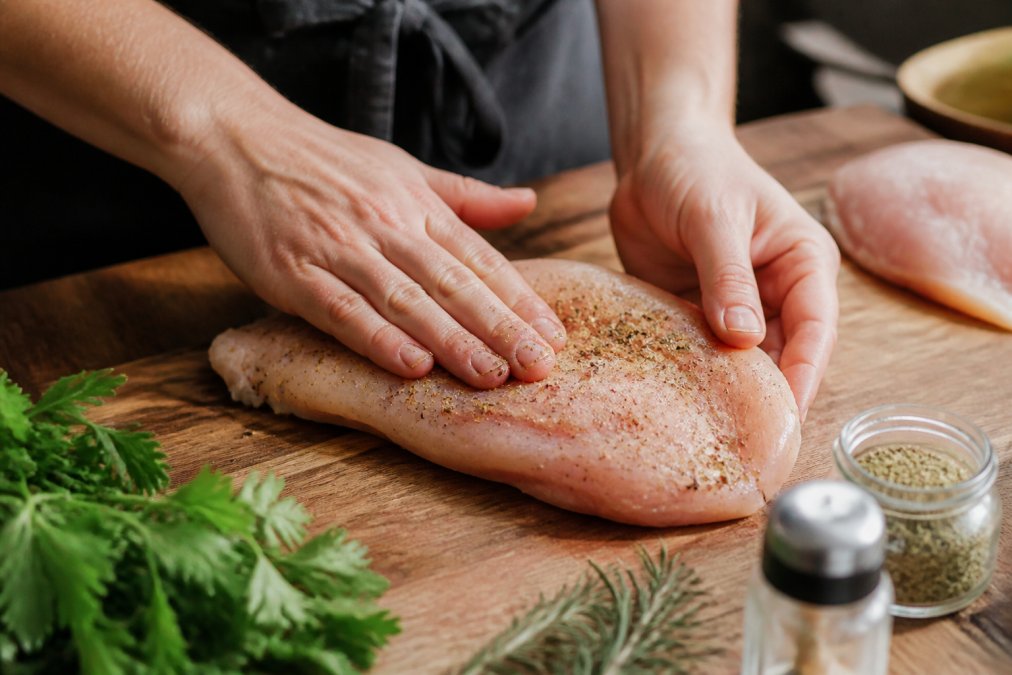
Seasoning Before Cooking
Remove chicken from the refrigerator 15 minutes before cooking. This allows the meat to reach closer to room temperature, promoting even cooking and better seasoning penetration.
Pat the chicken completely dry using paper towels. Moisture prevents seasoning from adhering and interferes with browning. Season both sides generously, for a standard chicken breast, use approximately one-half teaspoon of dry rub per side. Let seasoned chicken sit for 15 to 20 minutes at room temperature before cooking. This allows the salt to dissolve slightly and begin breaking down surface proteins.
Flavor Profile Variations
Italian Profile emphasizes dried basil, oregano, and thyme with garlic and onion powder as anchors. Add a pinch of red pepper flakes for subtle heat. This works beautifully with pasta dishes and tomato-based sauces.
Cajun Profile builds on paprika, cayenne, garlic powder, onion powder, and dried thyme. The heat is present but not overwhelming. Pair this with rice, corn, and bold vegetable sides.
Mediterranean Profile combines oregano, thyme, rosemary, garlic powder, and lemon zest. The emphasis is on herbaceous freshness rather than heat. This pairs well with olive oil-based sauces and fresh vegetables.
Asian-Inspired Profile uses garlic powder, ginger powder, and a touch of white pepper alongside sesame seeds. Some people add a pinch of five-spice powder for complexity. This works with stir-fries and rice bowls.
Each variation starts with quality basics, kosher salt, black pepper, garlic powder, onion powder, and builds from there.
Cooking Methods to Seal in Seasoning
How you cook seasoned chicken affects how well those flavors develop and whether seasonings remain on the surface or penetrate the meat.
Pan-searing creates the most flavorful crust. Heat a skillet over medium-high heat and add a thin layer of olive oil. Once the oil shimmers, place seasoned chicken skin-side down or presentation-side down. Don't move the chicken for three to four minutes to allow the Maillard reaction to develop the golden crust. Flip and cook the other side for another three to four minutes.
Oven-baking at 375°F to 400°F provides even, gentle cooking. Place seasoned chicken on a parchment-lined baking sheet and bake for 18 to 22 minutes, depending on thickness. Seasonings develop well, and the chicken stays juicy.
Grilling over medium-high heat (around 400°F to 450°F) creates char marks and smoky flavor. Oil the grill grates thoroughly to prevent sticking. Place seasoned chicken perpendicular to the grates and avoid moving it for the first few minutes. Grill for four to five minutes per side.
Always remove chicken when the internal temperature reaches 165°F at the thickest point. Use an instant-read thermometer to verify doneness.
Common Mistakes to Avoid
Applying seasoning immediately before cooking prevents proper adhesion. Apply at least 30 minutes ahead, ideally longer.
Using ground spices older than six months results in flat, muted flavors. Fresh spices make a dramatic difference.
Oversalting is common because many home cooks underestimate how much salt is appropriate. Taste the seasoning blend on your finger before applying it to chicken.
Cooking from cold means the exterior overcooks before the interior reaches safe temperature. Remove chicken from the refrigerator 15 minutes before cooking.
Skipping the resting period after cooking causes juices to run out onto the plate. Rest cooked chicken for five to ten minutes before cutting or serving.
Burning spices during cooking creates bitter, unpleasant flavors. Always use some fat and moderate heat to allow seasonings to develop without burning.
Tips for Juicy, Well-Seasoned Chicken Breasts
The goal is chicken that's both flavorful and moist.
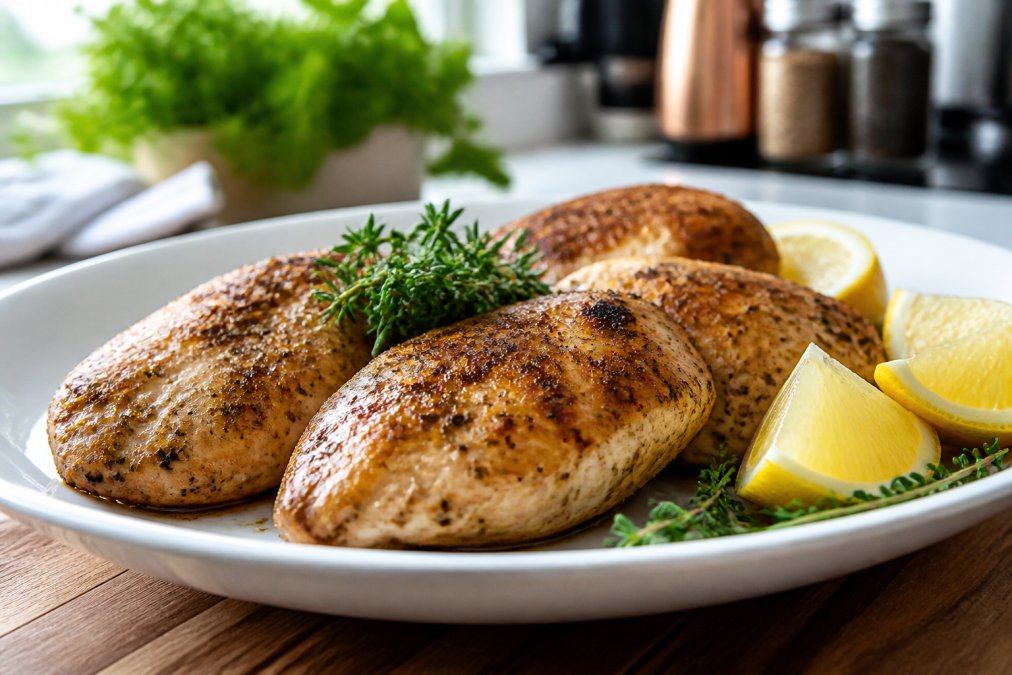
Pound the chicken to even thickness before seasoning. Use a meat mallet or rolling pin to gently pound chicken to a consistent three-quarter-inch thickness. This ensures even cooking and allows seasonings to work uniformly.
Brine lightly if you have time. A simple brine of one tablespoon of kosher salt dissolved in two cups of water, with chicken submerged for 30 to 60 minutes, helps the meat retain moisture during cooking. Pat dry before applying your dry rub or marinade.
Don't overcook. Chicken breast reaches safe temperature at 165°F. Every degree beyond that dries it out. Use an instant-read thermometer and remove chicken the moment it hits 165°F.
Let it rest after cooking. Five to ten minutes of resting allows proteins to relax and reabsorb juices.
Use quality seasonings. Fresh, vibrant spices make better-tasting chicken than old, dusty ones. Goodness Gracious Seasoning Blends are thoughtfully sourced and blended to deliver bold flavor without the guesswork of mixing individual spices.
Consider the cooking method carefully. Pan-searing creates the most flavorful exterior but requires active attention. Oven-baking is more forgiving and produces juicier results. Grilling adds smoky character but requires careful temperature management.
Store properly. Cooked seasoned chicken keeps in the refrigerator for three to four days in an airtight container. You can also freeze it for up to three months.
Seasoning chicken breasts well transforms ordinary dinners into occasions worth remembering. The fundamentals are straightforward: quality ingredients, proper technique, and respect for timing. Whether you prefer the intensity of a dry rub, the penetrating depth of a marinade, or the simplicity of basic aromatics, thoughtful preparation and attention to detail make the difference.
Goodness Gracious Seasoning Blends eliminates the trial-and-error of mixing your own spice combinations. Our curated blends deliver the bold, striking flavors that turn simple chicken into something memorable. Beyond the blends themselves, we've created the Goodness Gracious Flavor Secrets E-Cookbook with over 40 recipes that shows exactly how to use each blend across different dishes and cooking methods. The cookbook is downloadable, saving you on shipping while giving you immediate access to proven techniques. Start with our FriedRoastedBaked blend and discover how thoughtfully sourced ingredients elevate every meal you create.
Frequently Asked Questions
What is the best way to season chicken breast?
The best way to season chicken breast combines dry rub application with proper timing. Use kosher salt, garlic powder, onion powder, black pepper, and smoked paprika as your foundation. Apply the seasoning directly to the chicken at least 40 minutes before cooking to allow it to penetrate the meat. For deeper flavor, create a marinade with olive oil and dried herbs, letting the chicken soak for 2-4 hours. The key is using quality ingredients and allowing adequate time for flavor adhesion.
How long should you marinate chicken breast for the best flavor?
Marinate chicken breast for 2-4 hours for optimal flavor development. This timeframe allows the seasoning blend to penetrate the meat without over-saturating it. For a quick marinade, even 40 minutes will improve flavor noticeably. Avoid marinating longer than 8 hours, as the acid in many marinades can break down the protein structure and make the meat mushy. Pat the chicken dry before cooking to promote browning and the Maillard reaction.
Should I season chicken before or after cooking?
Season chicken before cooking for the best results. Applying seasoning at least 40 minutes before cooking allows the salt to dissolve and penetrate the meat, enhancing juiciness and flavor throughout. Seasoning after cooking only coats the surface. For pan-seared or oven-baked chicken, apply your dry rub or marinade before the chicken touches heat. This timing ensures even flavor distribution and better browning.
Can you over-season chicken breast?
Yes, you can over-season chicken breast, but it's difficult with proper technique. The key is using kosher salt in measured amounts, typically 1 teaspoon per pound of chicken. Avoid layering multiple seasoning blends unless they're specifically designed to complement each other. If you're concerned about salt levels, start with half the recommended amount and taste before adding more. Quality seasoning blends are balanced to prevent over-seasoning.
This article was written using GrandRanker